

Liquid glucose, a common sweetener and humectant in the food industry, is widely used for its unique properties. As a supplier of liquid glucose for food, I often encounter questions from clients about its heat stability. In this blog, I'll delve into the topic of whether liquid glucose for food is heat - stable, exploring the science behind it, its implications in food processing, and how it compares to other food additives.

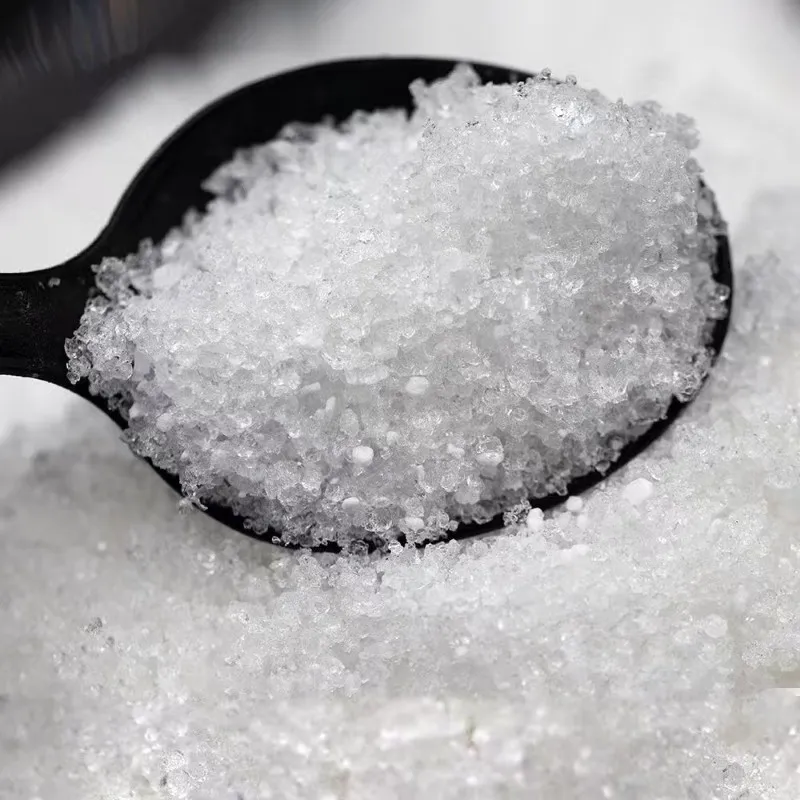
Understanding Liquid Glucose
Liquid glucose, also known as corn syrup in some regions, is typically made from the hydrolysis of starch, usually corn starch. It consists mainly of glucose, maltose, and higher - molecular - weight oligosaccharides. The composition can vary depending on the production process and the source of starch.
One of the key features of liquid glucose is its ability to prevent crystallization of sugar, retain moisture, and provide a smooth texture to food products. It is used in a wide range of food applications, including confectionery, bakery products, beverages, and dairy products.
Heat Stability of Liquid Glucose
Heat stability refers to the ability of a substance to maintain its chemical and physical properties when exposed to high temperatures. In the context of liquid glucose for food, heat stability is crucial because many food processing operations involve heating, such as baking, cooking, and pasteurization.
Chemical Stability
When heated, liquid glucose undergoes several chemical reactions. At moderate temperatures (up to around 100 - 120°C), liquid glucose is relatively stable. The main components, glucose and maltose, do not readily decompose. However, as the temperature rises above 120°C, some degradation reactions can occur.
One of the most common reactions is the Maillard reaction. This is a non - enzymatic browning reaction that occurs between reducing sugars (such as glucose in liquid glucose) and amino acids or proteins. The Maillard reaction can lead to the formation of brown pigments, flavor compounds, and aroma compounds. While this reaction can be desirable in some food products, such as baked goods, where it contributes to the characteristic color and flavor, excessive Maillard reaction can also lead to off - flavors and a decrease in the quality of the product.
Another reaction that can occur at high temperatures is caramelization. Caramelization is the thermal decomposition of sugars, which results in the formation of caramel, a complex mixture of compounds with a characteristic brown color and flavor. Caramelization of liquid glucose typically starts at temperatures above 160°C. The rate of caramelization depends on factors such as the temperature, the duration of heating, and the presence of other substances in the food matrix.
Physical Stability
In terms of physical stability, liquid glucose remains in a liquid state over a wide temperature range. It has a relatively low melting point and high boiling point, which makes it suitable for use in various food processing operations. However, at very high temperatures, the viscosity of liquid glucose can change. As the temperature increases, the viscosity of liquid glucose decreases, which can affect the texture and consistency of the food product.
Implications in Food Processing
The heat stability of liquid glucose has several implications in food processing.
Bakery Products
In bakery products, liquid glucose is often used to improve the texture, moisture retention, and shelf - life. During the baking process, the heat stability of liquid glucose allows it to contribute to the browning and flavor development through the Maillard reaction. However, bakers need to control the temperature and baking time to avoid excessive caramelization or off - flavors. For example, in the production of bread, liquid glucose can help to create a golden - brown crust and a soft, moist interior.
Confectionery
In confectionery, liquid glucose is used to prevent sugar crystallization and to provide a smooth texture. In the production of candies, the heat stability of liquid glucose is important during the cooking and molding processes. The ability of liquid glucose to remain in a liquid state at high temperatures allows it to be easily incorporated into the candy mixture. However, care must be taken to avoid over - heating, as this can lead to caramelization and a change in the color and flavor of the candies.
Beverages
In beverages, liquid glucose is used as a sweetener and a thickening agent. During the pasteurization process, which involves heating the beverage to kill microorganisms, the heat stability of liquid glucose ensures that it retains its properties and does not cause any significant changes in the taste or appearance of the beverage. For more information on other food additives used in beverages, you can visit Sodium Hexametaphosphate in Drinks.
Comparison with Other Food Additives
When compared to other food additives, liquid glucose has some unique advantages in terms of heat stability.
Sucrose
Sucrose, or table sugar, is a common sweetener. However, sucrose has a lower heat stability than liquid glucose. Sucrose readily decomposes at relatively low temperatures, especially in the presence of acids or enzymes. In contrast, liquid glucose is more resistant to decomposition at moderate temperatures, making it a better choice for food products that require heating during processing.
Other Sweeteners
There are also other sweeteners available, such as artificial sweeteners and high - fructose corn syrup. While artificial sweeteners are generally heat - stable, they do not provide the same functional properties as liquid glucose, such as moisture retention and texture improvement. High - fructose corn syrup is similar to liquid glucose in some aspects, but its composition and properties can vary, and it may have different heat - stability characteristics.
Maintaining Heat Stability in Food Applications
To ensure the heat stability of liquid glucose in food applications, several factors need to be considered.
Temperature Control
Controlling the temperature during food processing is crucial. As mentioned earlier, different reactions occur at different temperatures. By carefully controlling the temperature, food manufacturers can optimize the Maillard reaction and avoid excessive caramelization. For example, in baking, using a lower oven temperature for a longer time can help to achieve a more even browning without over - caramelizing the liquid glucose.
pH Adjustment
The pH of the food matrix can also affect the heat stability of liquid glucose. In general, a slightly acidic to neutral pH is more favorable for the stability of liquid glucose. Adjusting the pH can help to slow down the Maillard reaction and caramelization. For example, in some food products, adding a small amount of acid, such as citric acid, can help to maintain the quality of the product during heating.
Use of Stabilizers
In some cases, the addition of stabilizers can enhance the heat stability of liquid glucose. For example, certain hydrocolloids can be added to prevent the separation of components in the food product and to maintain the texture. These stabilizers can also help to reduce the rate of the Maillard reaction and caramelization.
Conclusion
In conclusion, liquid glucose for food is relatively heat - stable at moderate temperatures, but its stability can be affected by high temperatures. Understanding the chemical and physical changes that occur when liquid glucose is heated is essential for food manufacturers to ensure the quality of their products.
As a supplier of liquid glucose for food, I am committed to providing high - quality products that meet the heat - stability requirements of various food applications. Whether you are in the bakery, confectionery, or beverage industry, our liquid glucose can be a reliable ingredient for your products.
If you are interested in learning more about our liquid glucose for food or other food additives such as Msg Flavouring Salt and Disodium Phosphate Uses in Food, please feel free to contact us for further information and to discuss your specific needs. We look forward to the opportunity to work with you and to help you create high - quality food products.
References
- Coultate, T. P. (2009). Food: The Chemistry of Its Components. Royal Society of Chemistry.
- Fennema, O. R. (1996). Food Chemistry. Marcel Dekker.
- Labuza, T. P., & Baisier, W. E. (1992). Maillard browning reaction in foods and in the human body. Critical Reviews in Food Science and Nutrition, 32(2), 175 - 214.