

Glucosamine is a naturally occurring compound found in the human body, particularly in the cartilage and synovial fluid of joints. It plays a crucial role in maintaining the health and integrity of these structures. Commercially, glucosamine is available in various forms, with glucosamine sulfate and glucosamine sulfate sodium being two commonly used types. As a supplier of Glucosamine Sulfate Sodium, I am often asked about the differences between these two forms. In this blog, I'll delve into the details to help you understand their distinctions.
Chemical Composition
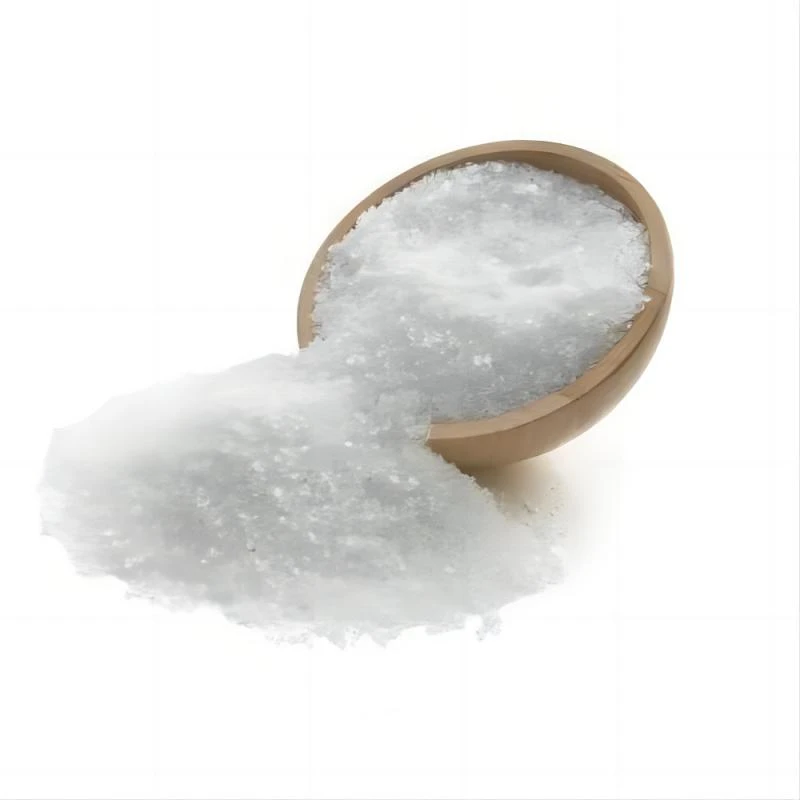
Glucosamine sulfate, as the name implies, consists of glucosamine molecules bound to a sulfate group. The chemical formula of glucosamine sulfate usually represents a complex structure where glucosamine is associated with sulfate ions to maintain stability. This form is often found in a crystalline powder state.
On the other hand, glucosamine sulfate sodium is a derivative of glucosamine sulfate. It has an additional sodium component in its structure. The sodium is incorporated to enhance the solubility and stability of the compound. This modification makes glucosamine sulfate sodium more suitable for certain manufacturing processes and formulations.
Solubility
One of the key differences between glucosamine sulfate and glucosamine sulfate sodium lies in their solubility. Glucosamine sulfate has relatively limited solubility in water. This can pose challenges when it comes to formulating it into liquid products or when rapid absorption is desired.
Glucosamine sulfate sodium, however, has improved solubility due to the presence of sodium. The sodium ions interact with water molecules more readily, allowing the compound to dissolve more quickly and completely. This enhanced solubility can be beneficial in products such as dietary supplements in liquid form or in pharmaceutical formulations where efficient delivery to the body is crucial.
Bioavailability
Bioavailability refers to the extent and rate at which a substance is absorbed into the bloodstream and becomes available to the body's tissues. Glucosamine sulfate sodium generally has better bioavailability compared to glucosamine sulfate.
The improved solubility of glucosamine sulfate sodium contributes to its higher bioavailability. When it is ingested, it can be more easily absorbed through the intestinal lining and reach the target tissues, such as the joints. This means that a larger proportion of the ingested glucosamine sulfate sodium can be utilized by the body, potentially leading to more effective results in supporting joint health.
Stability
In terms of stability, glucosamine sulfate sodium also has an edge over glucosamine sulfate. Glucosamine sulfate is more prone to degradation under certain conditions, such as exposure to heat, moisture, and light. This can lead to a reduction in its potency over time.
Glucosamine sulfate sodium, with its modified structure, is more resistant to these environmental factors. It can maintain its chemical integrity for a longer period, which is important for ensuring the quality and efficacy of products containing this compound. Manufacturers often prefer glucosamine sulfate sodium for its better stability, as it allows for longer shelf - lives of their products.
Applications
Both glucosamine sulfate and glucosamine sulfate sodium are widely used in the nutraceutical and pharmaceutical industries, but their applications can vary slightly.
Glucosamine sulfate is commonly used in traditional tablet and capsule forms of dietary supplements. It is a well - established ingredient in joint health products, and many consumers are familiar with its use. However, its limited solubility and lower bioavailability may restrict its use in some advanced formulations.
Glucosamine sulfate sodium, with its superior solubility and bioavailability, is increasingly being used in a wider range of products. It is suitable for liquid supplements, which are becoming more popular among consumers who prefer easier - to - swallow options. Additionally, it can be used in more sophisticated pharmaceutical formulations, such as sustained - release products, where precise control of drug delivery is required.
Regulatory Considerations
Regulatory requirements for glucosamine sulfate and glucosamine sulfate sodium can also differ in some regions. In general, both forms are considered dietary supplements or nutraceuticals in many countries. However, the specific regulations regarding their production, labeling, and marketing can vary.
For example, some regulatory bodies may have different purity standards for glucosamine sulfate and glucosamine sulfate sodium. Manufacturers need to ensure that their products meet these standards to be legally sold in the market. As a supplier of Glucosamine Sulfate Sodium, I am well - versed in these regulatory requirements and ensure that our products comply with all relevant regulations.
Cost
Cost is another factor that can distinguish between glucosamine sulfate and glucosamine sulfate sodium. Glucosamine sulfate is often more widely available and has been on the market for a longer time, which has led to more competition among suppliers. This can result in relatively lower prices for glucosamine sulfate products.
Glucosamine sulfate sodium, due to its improved properties and the additional manufacturing steps involved in its production, may be more expensive. However, the higher cost may be justified by its better solubility, bioavailability, and stability, especially for consumers who are looking for more effective joint health solutions.
Our Offerings as a Glucosamine Sulfate Sodium Supplier
As a supplier of Glucosamine Sulfate Sodium, we take pride in offering high - quality products. Our glucosamine sulfate sodium is produced using advanced manufacturing processes that ensure its purity, solubility, and stability. We source our raw materials from reliable suppliers and conduct rigorous quality control tests at every stage of production.
In addition to Glucosamine Sulfate Sodium, we also offer other related pharmaceutical products. For example, we supply USP Diclofenac Sodium Powder, which is a widely used non - steroidal anti - inflammatory drug. Our Constipation Syrup Lactulose is a popular solution for relieving constipation, and Oral Oxytetracycline Hydrochloride is an effective antibiotic for various infections.
If you are in the market for Glucosamine Sulfate Sodium or any of our other products, we invite you to reach out to us for a detailed discussion. Whether you are a nutraceutical manufacturer looking for a reliable ingredient supplier or a pharmaceutical company in need of high - quality raw materials, we can provide you with the products and support you require. Our team of experts is ready to answer your questions and assist you in making the right purchasing decisions.
Conclusion
In summary, while both glucosamine sulfate and glucosamine sulfate sodium are valuable compounds for joint health, they have distinct differences in terms of chemical composition, solubility, bioavailability, stability, applications, regulatory considerations, and cost. Glucosamine sulfate sodium offers several advantages, including better solubility, higher bioavailability, and improved stability, which make it a preferred choice for many modern formulations.

As a supplier of Glucosamine Sulfate Sodium, we are committed to providing the best - quality products to meet the diverse needs of our customers. If you are interested in learning more about our products or have any questions regarding the differences between glucosamine sulfate and glucosamine sulfate sodium, please do not hesitate to contact us. We look forward to the opportunity to work with you and contribute to your success in the nutraceutical and pharmaceutical industries.
References
- "Glucosamine and Chondroitin for Osteoarthritis: A Systematic Review and Meta - analysis" by Towheed et al., Annals of Internal Medicine.
- "Bioavailability of Glucosamine in Humans" by Setnikar et al., Clinical Pharmacokinetics.
- "Stability of Glucosamine Derivatives in Different Storage Conditions" by Zhang et al., Journal of Pharmaceutical Sciences.