

Hey there! As a pharmaceuticals supplier, I'm super stoked to chat about the uses of anti - inflammatory pharmaceuticals. These little wonders play a huge role in our health, and I'm here to break it all down for you.
First off, let's understand what anti - inflammatory pharmaceuticals are. In simple terms, they're drugs that help reduce inflammation in the body. Inflammation is the body's natural response to injury or infection. It's like a built - in alarm system that sends white blood cells to the affected area. But sometimes, this response can go overboard, leading to pain, swelling, and other discomforts. That's where anti - inflammatory drugs step in.
One of the most common uses of anti - inflammatory pharmaceuticals is in treating pain. Whether it's a minor headache or a more severe joint pain, these drugs can work wonders. For example, non - steroidal anti - inflammatory drugs (NSAIDs) like ibuprofen are a go - to for many people when they have a headache or muscle pain. They work by blocking the production of certain chemicals in the body that cause pain and inflammation.
Another big area where anti - inflammatory drugs are used is in treating arthritis. Arthritis is a condition that causes inflammation in the joints, leading to pain, stiffness, and reduced mobility. There are different types of arthritis, such as osteoarthritis and rheumatoid arthritis. For osteoarthritis, which is often caused by wear and tear on the joints over time, anti - inflammatory drugs can help manage the pain and reduce swelling. In the case of rheumatoid arthritis, which is an autoimmune disease, more powerful anti - inflammatory medications may be needed to control the overactive immune response that's causing the joint inflammation.

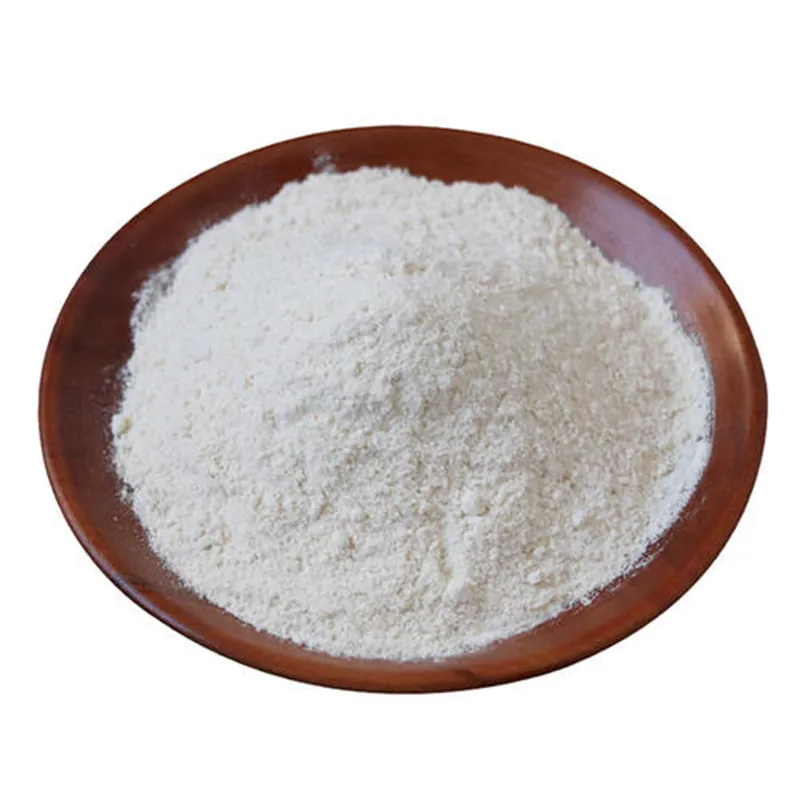
Anti - inflammatory pharmaceuticals also play a crucial role in treating skin conditions. Conditions like eczema and psoriasis are characterized by inflammation of the skin. Topical anti - inflammatory creams and ointments can be applied directly to the affected area to reduce redness, itching, and swelling. These creams often contain corticosteroids, which are a type of anti - inflammatory drug that can quickly calm down the skin's immune response.
In the field of cardiovascular health, anti - inflammatory drugs are also making waves. Inflammation in the blood vessels can contribute to the development of atherosclerosis, which is the hardening and narrowing of the arteries. Some anti - inflammatory drugs are being studied for their potential to reduce this inflammation and lower the risk of heart attacks and strokes.
Now, let me tell you about some of the products we offer as a pharmaceuticals supplier. We have Azithromycin Powder. Azithromycin is an antibiotic, but it also has some anti - inflammatory properties. It's commonly used to treat respiratory tract infections, such as bronchitis and pneumonia. By reducing inflammation in the airways, it can help patients breathe easier and recover faster.
We also have Lincomycin Hydrochloride with GMP. Lincomycin is another antibiotic that can be used to treat a variety of bacterial infections. It works by inhibiting the growth of bacteria and also has some anti - inflammatory effects. This makes it useful in treating infections that are accompanied by inflammation, like skin and soft tissue infections.
And then there's Chlortetracycline Hydrochloride. Chlortetracycline is an antibiotic that's been around for a while. It's used to treat a wide range of infections, including those of the eyes, skin, and respiratory tract. Its anti - inflammatory properties can help reduce the discomfort associated with these infections.
When it comes to using anti - inflammatory pharmaceuticals, it's important to use them responsibly. Like any medication, they can have side effects. For example, NSAIDs can sometimes cause stomach problems, such as ulcers and bleeding, especially if taken for a long time or in high doses. Corticosteroids can also have side effects, such as weight gain, high blood pressure, and weakened immune system if used inappropriately.
So, if you're in the market for high - quality anti - inflammatory pharmaceuticals, we're here to help. We're committed to providing top - notch products that meet the highest standards of quality and safety. Whether you're a healthcare provider looking to stock up on medications or a distributor looking for reliable suppliers, we've got you covered.
If you're interested in learning more about our products or want to start a procurement discussion, don't hesitate to reach out. We're always happy to chat and work out the best solutions for your needs.
References
- Harrison's Principles of Internal Medicine. This comprehensive medical textbook provides in - depth information on the pathophysiology of inflammation and the use of anti - inflammatory drugs in various medical conditions.
- Goodman and Gilman's The Pharmacological Basis of Therapeutics. A classic reference in pharmacology that details the mechanisms of action, uses, and side effects of different anti - inflammatory pharmaceuticals.
- Medical Journals such as The New England Journal of Medicine and The Lancet. These journals regularly publish research studies on the latest developments in the field of anti - inflammatory drugs and their clinical applications.