

Pharmaceuticals play a crucial role in modern medicine, treating a wide range of diseases and improving the quality of life for countless individuals. However, like any powerful tool, they can have unintended consequences, especially on the digestive system. As a pharmaceutical supplier, I have witnessed firsthand the diverse effects that different medications can have on this vital part of the body. In this blog post, I will explore the various ways in which pharmaceuticals can impact the digestive system, both positively and negatively.
Positive Effects of Pharmaceuticals on the Digestive System
Treatment of Digestive Disorders
One of the primary ways in which pharmaceuticals benefit the digestive system is by treating various disorders. For example, proton pump inhibitors (PPIs) are commonly prescribed to reduce the production of stomach acid, which can help alleviate symptoms of gastroesophageal reflux disease (GERD), peptic ulcers, and other acid-related conditions. These medications work by blocking the enzyme in the stomach lining that produces acid, providing relief from heartburn, indigestion, and other discomfort.
Antibiotics are another class of pharmaceuticals that can have a positive impact on the digestive system. They are used to treat bacterial infections in the gut, such as Helicobacter pylori, which is a common cause of peptic ulcers. By eliminating the bacteria, antibiotics can help heal the ulcers and prevent them from recurring. Additionally, probiotics, which are live microorganisms that provide health benefits when consumed in adequate amounts, can be used to restore the balance of beneficial bacteria in the gut, improving digestion and overall gut health.
Enhancement of Nutrient Absorption
Some pharmaceuticals can also enhance the absorption of nutrients in the digestive system. For example, vitamin and mineral supplements are often prescribed to individuals who have difficulty absorbing these nutrients from their diet. These supplements can help prevent deficiencies and ensure that the body receives the essential nutrients it needs to function properly. Additionally, certain medications can improve the absorption of specific nutrients, such as iron or calcium, by increasing their solubility or by enhancing the function of the intestinal transporters that are responsible for their uptake.
Negative Effects of Pharmaceuticals on the Digestive System
Gastrointestinal Side Effects
Despite their many benefits, pharmaceuticals can also have negative effects on the digestive system. One of the most common side effects of medications is gastrointestinal upset, which can include nausea, vomiting, diarrhea, constipation, and abdominal pain. These side effects can range from mild to severe and can significantly impact a patient's quality of life.
For example, many antibiotics can cause diarrhea by disrupting the balance of beneficial bacteria in the gut. This can lead to an overgrowth of harmful bacteria, such as Clostridium difficile, which can cause severe diarrhea and other complications. Similarly, nonsteroidal anti-inflammatory drugs (NSAIDs), which are commonly used to relieve pain and inflammation, can irritate the lining of the stomach and intestines, increasing the risk of ulcers and bleeding.
Alteration of Gut Microbiota
Another potential negative effect of pharmaceuticals is the alteration of the gut microbiota, which is the complex community of microorganisms that live in the digestive tract. The gut microbiota plays a crucial role in many aspects of health, including digestion, immune function, and metabolism. However, certain medications, such as antibiotics, can disrupt the balance of the gut microbiota, leading to a decrease in beneficial bacteria and an increase in harmful bacteria.
This alteration of the gut microbiota can have a number of negative consequences, including an increased risk of infections, inflammation, and metabolic disorders. For example, studies have shown that long-term use of antibiotics can increase the risk of obesity, diabetes, and other metabolic diseases by altering the composition of the gut microbiota.
Drug-Induced Liver Injury
In some cases, pharmaceuticals can also cause liver injury, which can have a significant impact on the digestive system. The liver is responsible for metabolizing many medications, and some drugs can cause damage to the liver cells, leading to inflammation, jaundice, and other liver problems.
For example, acetaminophen, which is a commonly used pain reliever and fever reducer, can cause liver damage if taken in high doses or if combined with alcohol. Similarly, certain antibiotics, such as isoniazid and rifampin, which are used to treat tuberculosis, can cause liver injury in some patients.
Examples of Pharmaceuticals and Their Effects on the Digestive System
Norfloxacin Base
Norfloxacin Base is a broad-spectrum antibiotic that is commonly used to treat urinary tract infections, gastrointestinal infections, and other bacterial infections. While it can be effective in treating these infections, it can also have some negative effects on the digestive system.
One of the most common side effects of norfloxacin is gastrointestinal upset, which can include nausea, vomiting, diarrhea, and abdominal pain. These side effects are usually mild and resolve on their own within a few days. However, in some cases, norfloxacin can cause more severe side effects, such as pseudomembranous colitis, which is a serious inflammation of the colon that can be life-threatening.
Azithromycin Powder
Azithromycin Powder is another antibiotic that is commonly used to treat a variety of bacterial infections, including respiratory tract infections, skin infections, and sexually transmitted diseases. Like norfloxacin, azithromycin can also have some negative effects on the digestive system.
One of the most common side effects of azithromycin is diarrhea, which can be mild to severe. In some cases, azithromycin can also cause nausea, vomiting, abdominal pain, and other gastrointestinal symptoms. Additionally, azithromycin can interact with other medications, such as antacids and certain blood thinners, which can increase the risk of side effects.
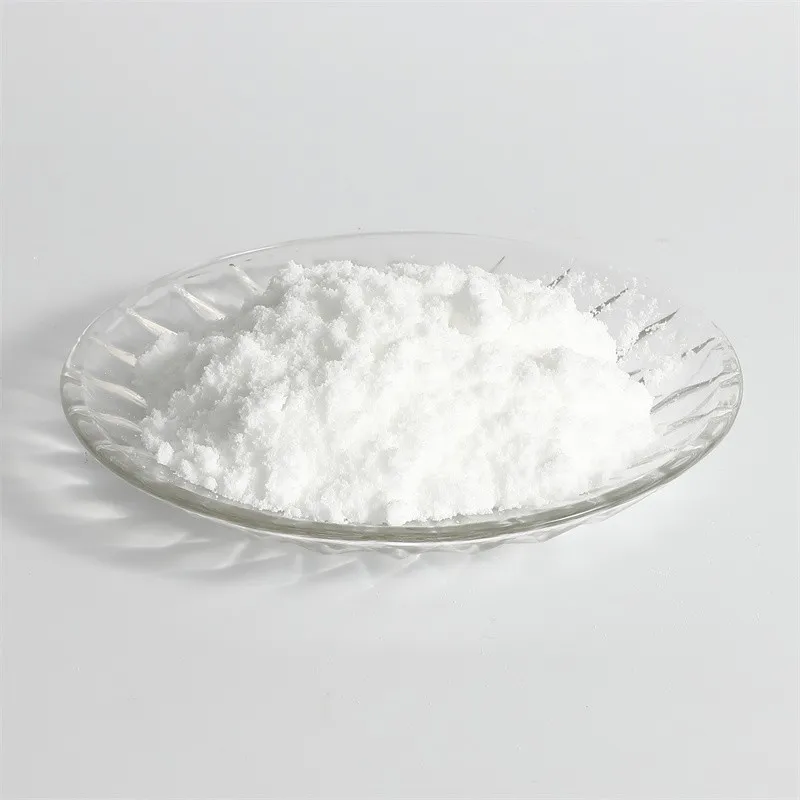

Lincomycin Hydrochloride with GMP
Lincomycin Hydrochloride with GMP is an antibiotic that is used to treat a variety of bacterial infections, including skin infections, respiratory tract infections, and bone and joint infections. While it can be effective in treating these infections, it can also have some negative effects on the digestive system.
One of the most common side effects of lincomycin is diarrhea, which can be mild to severe. In some cases, lincomycin can also cause nausea, vomiting, abdominal pain, and other gastrointestinal symptoms. Additionally, lincomycin can interact with other medications, such as neuromuscular blockers and certain antibiotics, which can increase the risk of side effects.
Minimizing the Negative Effects of Pharmaceuticals on the Digestive System
Proper Medication Use
To minimize the negative effects of pharmaceuticals on the digestive system, it is important to use medications properly. This includes taking medications as prescribed, following the recommended dosage and frequency, and avoiding taking medications with alcohol or other substances that can interact with them.
Additionally, it is important to inform your healthcare provider about any other medications you are taking, including over-the-counter medications, supplements, and herbal remedies, as these can also interact with prescription medications and increase the risk of side effects. Your healthcare provider can help you determine the best course of treatment and can monitor you for any potential side effects.
Lifestyle Modifications
In addition to proper medication use, lifestyle modifications can also help minimize the negative effects of pharmaceuticals on the digestive system. This includes eating a healthy diet that is rich in fruits, vegetables, whole grains, and lean proteins, and avoiding foods that are high in fat, sugar, and processed ingredients. Additionally, it is important to stay hydrated by drinking plenty of water and to get regular exercise, which can help improve digestion and overall gut health.
Conclusion
Pharmaceuticals can have both positive and negative effects on the digestive system. While they can be effective in treating a variety of digestive disorders and enhancing nutrient absorption, they can also cause gastrointestinal side effects, alter the gut microbiota, and cause liver injury. As a pharmaceutical supplier, it is important to be aware of these effects and to work with healthcare providers to ensure that medications are used safely and effectively.
If you are interested in learning more about our pharmaceutical products or have any questions about their effects on the digestive system, please feel free to contact us. We are committed to providing high-quality pharmaceutical products and excellent customer service, and we look forward to working with you.
References
- Goodman & Gilman's The Pharmacological Basis of Therapeutics, 13th Edition
- Medical Pharmacology at a Glance, 10th Edition
- Principles of Anatomy and Physiology, 15th Edition