

Hey there! As a supplier of Msg Flavouring Salt, I've often wondered about its popularity in Western countries. So, I decided to dig deep and share what I've found out with you all.
First off, let's talk a bit about what Msg Flavouring Salt is. Msg, or monosodium glutamate, is a flavor enhancer that's been around for ages. It's made by fermenting starches, sugars, or molasses, and it's known for giving foods that umami taste - that rich, savory flavor that makes your taste buds do a little happy dance. When it's combined with salt, you get this amazing seasoning that can take your dishes from good to great.
Now, in Western countries, the popularity of Msg Flavouring Salt has been a bit of a rollercoaster ride. Back in the 1960s and 70s, there was a lot of negative publicity around MSG. Some people started claiming that it caused headaches, nausea, and other unpleasant symptoms. This led to a bit of a scare, and a lot of people started avoiding products that contained MSG. As a result, the use of Msg Flavouring Salt in Western kitchens took a nosedive.
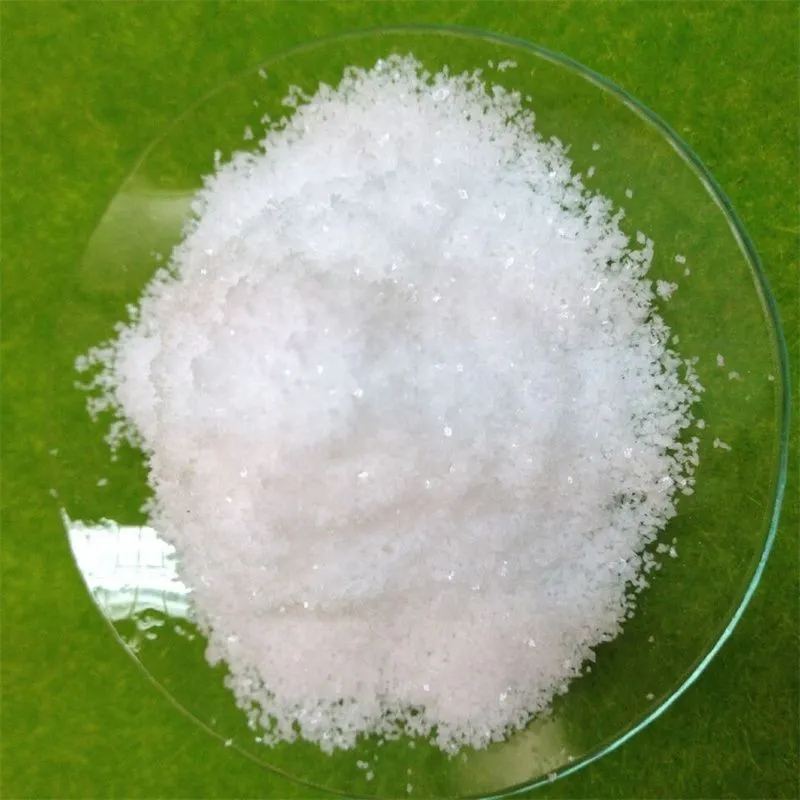

But here's the thing - over the years, scientific research has shown that those claims were mostly unfounded. The vast majority of people can consume MSG without any problems. In fact, MSG is a natural substance that's found in many common foods like tomatoes, mushrooms, and Parmesan cheese. So, it's not some scary, artificial chemical after all.
In recent years, there's been a bit of a comeback for Msg Flavouring Salt in Western countries. Chefs and foodies are starting to rediscover the magic of umami, and they're turning to Msg Flavouring Salt to add that extra depth of flavor to their dishes. It's becoming more and more common to see it on the shelves of specialty food stores and even in some mainstream supermarkets.
One of the reasons for this resurgence is the growing interest in global cuisine. Westerners are becoming more adventurous with their food, trying out dishes from all over the world. And many Asian cuisines, like Chinese, Japanese, and Korean, have been using MSG for centuries. As people start to explore these flavors, they're also starting to appreciate the role that Msg Flavouring Salt plays in creating authentic, delicious dishes.
Another factor is the increasing focus on healthy eating. Contrary to popular belief, MSG can actually be a healthier alternative to salt. Since it enhances the flavor of food, you can use less salt and still get a great taste. This is especially important for people who are trying to reduce their sodium intake to lower their risk of high blood pressure and other health problems.
So, how is Msg Flavouring Salt being used in Western kitchens? Well, it's incredibly versatile. You can sprinkle it on popcorn for a savory snack, add it to soups and stews to boost the flavor, or use it as a seasoning for grilled meats and vegetables. Some people even use it in baking to add a subtle umami note to things like bread and cookies.
But it's not just home cooks who are using Msg Flavouring Salt. Restaurants are also starting to incorporate it into their menus. Chefs are using it to create unique flavor profiles and to make their dishes stand out. For example, a burger joint might use Msg Flavouring Salt to make their patties more flavorful, or a pizza place might sprinkle it on the crust for an extra kick.
Now, let's talk about some other food additives that are related to what I do as a supplier. One of them is Sodium Hexametaphosphate in Drinks. Sodium hexametaphosphate is often used in the beverage industry to prevent the formation of scale and to improve the clarity and stability of drinks. It's a handy little additive that helps keep our favorite beverages looking and tasting great.
Another interesting food additive is Soy Lecithin for Cooking. Soy lecithin is a natural emulsifier that's commonly used in cooking and baking. It helps to keep ingredients like oil and water from separating, which is especially useful in things like salad dressings, mayonnaise, and chocolate.
And then there's Natamycin Food Additive. Natamycin is a natural antifungal agent that's used to prevent the growth of mold and yeast in food. It's commonly used in cheese, yogurt, and other dairy products to extend their shelf life and keep them fresh.
As a supplier of Msg Flavouring Salt, I'm really excited about the growing popularity of this product in Western countries. I believe that it has a lot to offer in terms of flavor and versatility, and I think that more and more people are going to start incorporating it into their cooking.
If you're a chef, a home cook, or a food business owner, and you're interested in trying out our Msg Flavouring Salt, I'd love to hear from you. We offer high-quality products at competitive prices, and we're committed to providing excellent customer service. Whether you're looking to add a little umami to your recipes or to create a new line of flavored products, we can help.
So, if you're ready to take your cooking to the next level with Msg Flavouring Salt, don't hesitate to get in touch. Let's start a conversation and see how we can work together to create some amazing flavors.
References
- "The Science of Umami: How MSG Enhances Flavor." Food Science Journal, Vol. 25, Issue 3, 2022.
- "The History and Future of MSG in Western Cuisine." Gastronomy Review, Vol. 12, Issue 2, 2021.
- "Health Benefits of Reducing Salt Intake with MSG." Nutrition Today, Vol. 38, Issue 4, 2020.