

Picking the right grade of Calcium Stearate Powder can feel like navigating a maze, but don't worry—I'm here to help you untangle this process. As a supplier of Calcium Stearate Powder, I've seen firsthand how crucial it is to select the proper grade for your specific needs. So, let's dive in and break down the key factors you should consider when making this important decision.
Understanding Your Application
First things first, you need to figure out what you're going to use the Calcium Stearate Powder for. This versatile substance has a ton of applications across various industries, and each one might require a different grade:
- Plastic Industry: In plastics, Calcium Stearate Powder is often used as a lubricant, heat stabilizer, and mold - release agent. The grade you choose will depend on the type of plastic (like PVC, PE, or PP) and the manufacturing process (such as extrusion or injection molding). For example, if you're working with PVC pipes, you'll need a grade that offers excellent heat stability to prevent degradation during the high - temperature extrusion process.
- Rubber Industry: In rubber production, it acts as a dispersing agent and a mold - release agent. Different rubber compounds, like natural rubber or synthetic rubber, may need different grades of Calcium Stearate Powder for optimal performance. The grade should be able to enhance the dispersion of fillers and other additives in the rubber matrix.
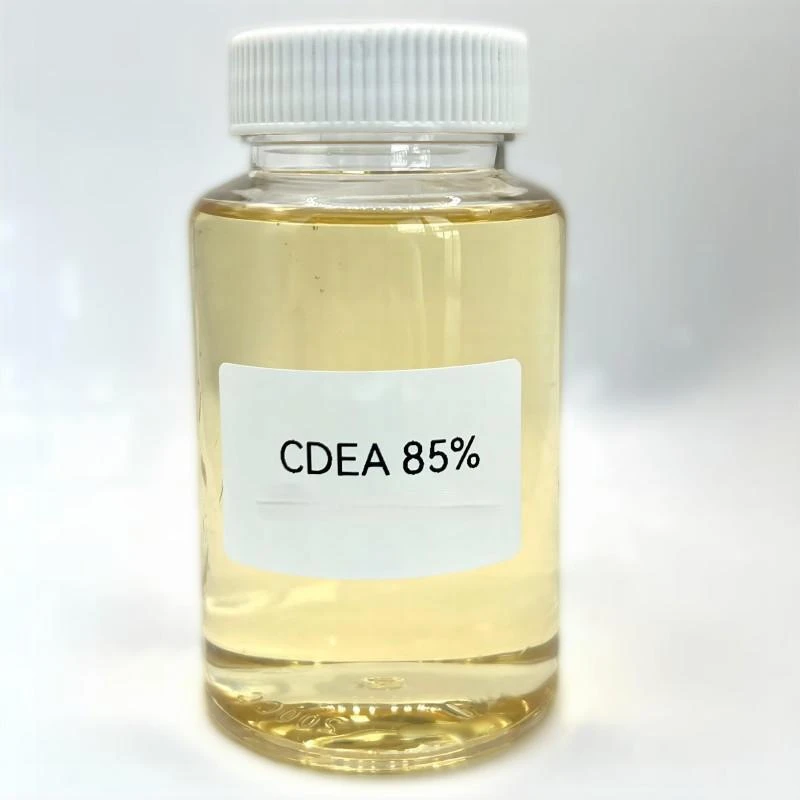
- Cosmetics Industry: Some cosmetics formulations use Calcium Stearate Powder as an emulsifier or a thickening agent. When used in cosmetics, it must meet strict safety and quality standards. You'll want a grade that is highly pure and fine - particle sized to ensure smoothness and compatibility with other ingredients in products like creams and lotions. Discover other cosmetic products like Benzyl Benzoate Fragrance, TC Carbomer 340, and Cocamide Dea Surfactant for more diverse formulations.
- Pharmaceutical Industry: Here, it's used as a lubricant in tablet manufacturing. The grade used in pharmaceuticals must comply with strict regulatory requirements, such as the United States Pharmacopeia (USP) or the European Pharmacopoeia (EP). It should have consistent quality and low levels of impurities.
Key Properties to Look For
Once you know your application, you can focus on the key properties of Calcium Stearate Powder. These properties will vary from grade to grade, and they play a huge role in how well the powder will work for you.
Purity
Purity is super important, especially in industries like pharmaceuticals and cosmetics. A high - purity grade of Calcium Stearate Powder means fewer impurities, which reduces the risk of unwanted reactions or side effects. For example, in pharmaceutical tablets, impurities in the Calcium Stearate Powder could potentially affect the stability and efficacy of the drug.

Particle Size
The particle size of the powder can impact its performance in different ways. In plastics, a finer particle size can lead to better dispersion in the polymer matrix, resulting in improved mechanical properties of the final product. In cosmetics, a fine - particle grade will give a smoother texture to the product. On the other hand, a coarser particle size might be more suitable for some rubber applications where it can act as a more effective mold - release agent.
Melting Point
The melting point of Calcium Stearate Powder is another crucial factor, especially in applications involving high temperatures. In the plastic industry, for instance, you need a grade with a melting point that is compatible with the processing temperature of the plastic. If the melting point is too low, the powder might melt during processing, leading to issues like sticking in the mold or poor surface finish.
Acid Value
The acid value indicates the amount of free fatty acids present in the Calcium Stearate Powder. A lower acid value generally means better stability and less reactivity. In applications where the powder needs to be stable over a long period, like in some rubber compounds, a low - acid - value grade is preferred.
Quality Assurance and Certification
When choosing a grade of Calcium Stearate Powder, it's essential to consider the quality assurance and certification of the product. Reputable suppliers should be able to provide documentation to prove the quality and compliance of their products:
- ISO Certification: An ISO 9001 certification indicates that the supplier has a quality management system in place to ensure consistent product quality. This is a good sign that the supplier takes quality seriously and follows international standards.
- Industry - Specific Certifications: As mentioned earlier, industries like pharmaceuticals and cosmetics have their own strict regulatory requirements. Look for products that are certified according to relevant standards, such as USP or EP for pharmaceuticals and cosmetic - grade certifications for the cosmetics industry.
Supplier Reputation
Your choice of supplier can have a big impact on the quality and reliability of the Calcium Stearate Powder you get. A good supplier will not only provide high - quality products but also offer excellent customer service. Here are some things to look for when evaluating a supplier:
- Experience: A supplier with a long - standing presence in the market is more likely to have the knowledge and expertise to produce consistent, high - quality Calcium Stearate Powder. They'll also be better equipped to handle any issues or challenges that may arise.
- Customer Reviews: Check online reviews and testimonials from other customers. This can give you a good idea of the supplier's reputation and the satisfaction level of their clients. Positive reviews are a strong indication that the supplier is reliable and provides good products.
- Technical Support: A good supplier should be able to offer technical support. If you have questions about which grade of Calcium Stearate Powder to use for your specific application or need help with any issues during the use of the product, the supplier should be there to assist you.
Cost - Benefit Analysis
Of course, cost is always a factor when making a purchasing decision. But it's important to look beyond the initial price and consider the overall cost - benefit ratio. A cheaper grade of Calcium Stearate Powder might seem like a good deal at first, but if it doesn't perform well in your application, it could end up costing you more in the long run due to production issues or product quality problems.
On the other hand, a higher - priced grade may offer better quality, performance, and reliability. You need to weigh the cost against the benefits and choose the grade that offers the best value for your money.
Making the Decision
After considering all these factors, you should have a better idea of which grade of Calcium Stearate Powder is right for you. Don't hesitate to reach out to suppliers and ask for samples. Testing the product in your own application is the best way to determine if it meets your requirements.
If you're still unsure or need more guidance, feel free to contact us. As a Calcium Stearate Powder supplier, we have the knowledge and experience to help you make the right choice. We can provide detailed product information, samples, and technical support to ensure that you get the grade of Calcium Stearate Powder that best suits your needs.
Whether you're a small - scale manufacturer or a large - scale industrial producer, picking the right grade of Calcium Stearate Powder is essential for the success of your products. So take the time to do your research, evaluate your options, and make an informed decision.
If you're interested in discussing your Calcium Stearate Powder requirements further or would like to start a purchase, please don't hesitate to get in touch. We're here to assist you every step of the way and help you find the perfect solution for your business.
References
- Modern Plastics Handbook.
- Rubber Technology Manual.
- Pharmaceutical Manufacturing Guidelines.
- Cosmetic Ingredients and Formulation Handbook.