

Hey there, fragrance enthusiasts! I'm stoked to chat with you about one of the most amazing ingredients in the perfume world: citral. As a supplier of Link text: Citral in Perfume, I've seen firsthand how this little compound can make a huge difference in a perfume's signature. So, let's dive right in and explore how citral contributes to the unique identity of a perfume.
The Basics of Citral: A Fragrant Powerhouse
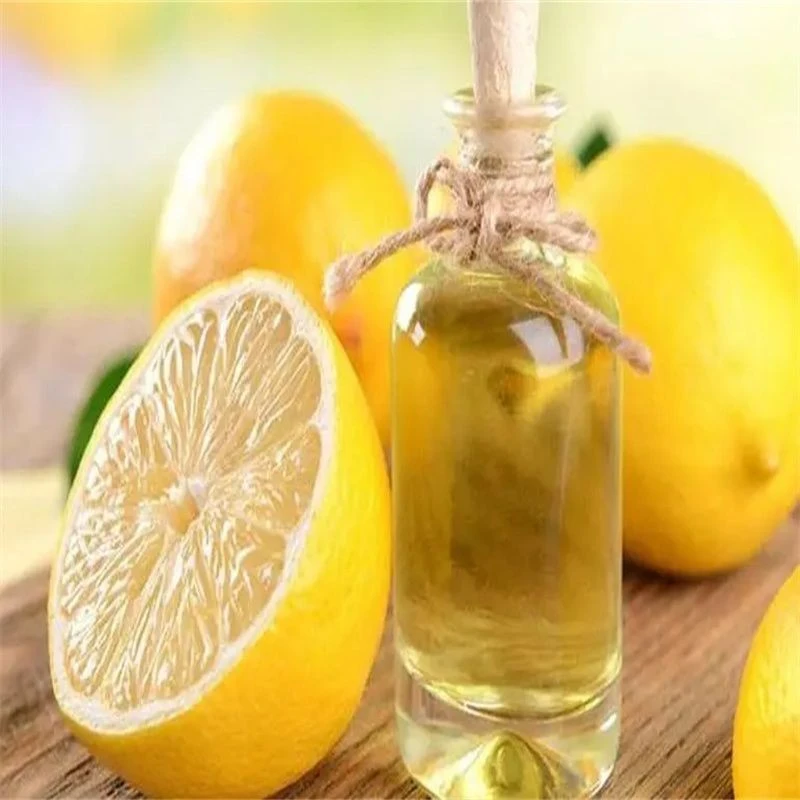
First off, what exactly is citral? Well, it's a natural aldehyde that's found in a bunch of essential oils, like lemon, lime, lemongrass, and orange peel. It's got this super fresh, citrusy scent that's both uplifting and energizing. You know that zingy feeling you get when you peel a lemon? That's citral at work!
In the perfume industry, citral is like a secret weapon. It's used to create that initial burst of freshness that you smell when you first spritz on a perfume. This top note is crucial because it's what grabs your attention and makes you want to keep exploring the fragrance. Citral's bright, citrusy aroma can cut through heavier scents and add a touch of lightness and airiness to a perfume.
Creating a Memorable First Impression
When it comes to making a perfume stand out, the top note is everything. It's the first thing people notice, and it can set the tone for the entire fragrance experience. Citral is perfect for this because its citrusy scent is so distinct and memorable. It's like a little burst of sunshine in a bottle.
Imagine you're walking through a perfume store, and you come across a bottle that has a hint of citral in the top note. As soon as you smell it, you're hit with this refreshing citrus aroma that instantly makes you feel awake and alive. That initial impression can make you more likely to pick up the bottle and give it a second sniff. And once you do, you might just fall in love with the rest of the fragrance.
Blending with Other Notes
But citral isn't just great on its own. It's also incredibly versatile when it comes to blending with other fragrance notes. It can work well with floral notes, like rose and jasmine, to add a fresh, citrusy twist to a classic floral perfume. The combination of citral's bright aroma with the soft, romantic scent of flowers creates a complex and balanced fragrance.
Citral also pairs nicely with woody and spicy notes. When blended with cedarwood or sandalwood, it adds a touch of freshness to the warm, earthy aroma of the woods. And when combined with spices like cinnamon or cardamom, citral can temper the harshness of the spices and create a more harmonious scent.
For example, Link text: Coolant Agent Powder can also be used in perfumes to create a cooling effect. When paired with citral, it can enhance the fresh, invigorating feeling of the perfume. The combination of the cooling sensation from the powder and the citrusy aroma of citral can make a perfume feel even more refreshing, especially in the summer months.
Adding Complexity and Depth
In addition to creating a memorable first impression and blending well with other notes, citral can also add complexity and depth to a perfume. The citrusy scent of citral is not just one-dimensional. It has different nuances and undertones that can evolve over time on the skin.
When you first apply a perfume with citral, you'll notice the bright, zesty top note. But as the perfume dries down, the citral can start to interact with your skin chemistry and develop a more subtle, complexities aroma. It might take on a slightly sweeter or more herbal quality, depending on the other ingredients in the perfume and your individual skin oils.
This evolution of the scent is what makes a perfume interesting and unique. It's not just a static smell; it's a dynamic experience that changes and develops over time. And citral plays a big role in making that happen.
The Long - Lasting Appeal of Citral
Another great thing about citral is its longevity in a perfume. Even though it's often used in the top note, it can still have an impact on the overall fragrance experience for hours. When formulated correctly with other ingredients, citral can linger on the skin and continue to give off its fresh, citrusy aroma.
This means that a perfume with citral won't just smell great when you first put it on. It will continue to have a pleasant scent throughout the day or night. Whether you're wearing it to work, a night out, or just running errands, you'll be able to enjoy the refreshing aroma of citral for an extended period.
Galaxolide 50 DEP and Citral: A Winning Combination
You might also be wondering about other ingredients that work well with citral. One such ingredient is Link text: Galaxolide 50 DEP. Galaxolide 50 DEP has a sweet, powdery, and slightly musky scent that can complement the fresh, citrusy aroma of citral.
The combination of Galaxolide 50 DEP and citral can create a well - rounded perfume that has both a bright, energetic top note and a warm, comforting base. The sweet and musky notes of Galaxolide 50 DEP can help to balance out the sharpness of the citral, creating a more harmonious and appealing fragrance.
Why Choose Our Citral in Perfume?
As a supplier of Citral in Perfume, we take pride in offering the highest quality product. Our citral is sourced from the best natural ingredients, ensuring that it has a pure and authentic citrusy aroma. We also have strict quality control measures in place to make sure that our citral meets the highest standards in the industry.
Whether you're a small - scale perfumer looking to create a unique signature scent or a large fragrance company looking for a reliable source of citral, we've got you covered. Our team of experts is always on hand to provide you with the support and advice you need to make the most of our citral in your perfume formulations.
Let's Talk Business
If you're interested in learning more about our Citral in Perfume or want to discuss how it can contribute to your perfume's signature, we'd love to hear from you. Whether you have questions about the product, need samples, or want to start a purchase negotiation, don't hesitate to get in touch. We're here to help you create the perfect perfume that stands out in the market.
References
- Arctander, S. (1960). Perfume and Flavor Materials of Natural Origin.
- Poucher, J. W. (1959). Perfumes, Cosmetics, Soaps.