

Can Natamycin be used in organic food?
As a supplier of Natamycin food additives, I often encounter questions from customers regarding the use of Natamycin in organic food. This topic is not only crucial for food producers aiming to meet organic standards but also for consumers who are increasingly conscious about the quality and safety of the food they consume. In this blog, we will delve into the science behind Natamycin, its applications, and whether it has a place in the realm of organic food.
What is Natamycin?
Natamycin, also known as pimaricin, is a natural antifungal agent produced by the fermentation of Streptomyces natalensis. It has a broad - spectrum activity against yeasts and molds, which are common spoilage organisms in many food products. Natamycin works by binding to the ergosterol in the fungal cell membrane, disrupting its integrity and leading to the death of the fungus.
Due to its effectiveness in preventing fungal growth, Natamycin is widely used in the food industry. It can be found in various products such as cheese, yogurt, bakery items, and meat products. By inhibiting the growth of fungi, Natamycin helps to extend the shelf - life of these products, maintain their quality, and reduce the risk of foodborne illnesses caused by mold toxins.
Organic Food Standards
Before we can determine whether Natamycin can be used in organic food, it's important to understand the standards that define organic food. Organic food production is based on a set of principles that aim to promote ecological balance, conserve biodiversity, and avoid the use of synthetic pesticides, fertilizers, genetically modified organisms (GMOs), and most synthetic additives.
Certifying bodies around the world, such as the United States Department of Agriculture (USDA) National Organic Program and the European Union Organic Regulation, have established strict guidelines for what can and cannot be included in organic food products. These guidelines are designed to ensure that consumers are getting food that is produced in an environmentally and socially responsible manner.
Can Natamycin be Used in Organic Food?
The answer to this question is not straightforward and depends on the specific regulations of the certifying body. In general, many certifying bodies do allow the use of Natamycin in organic food under certain conditions.

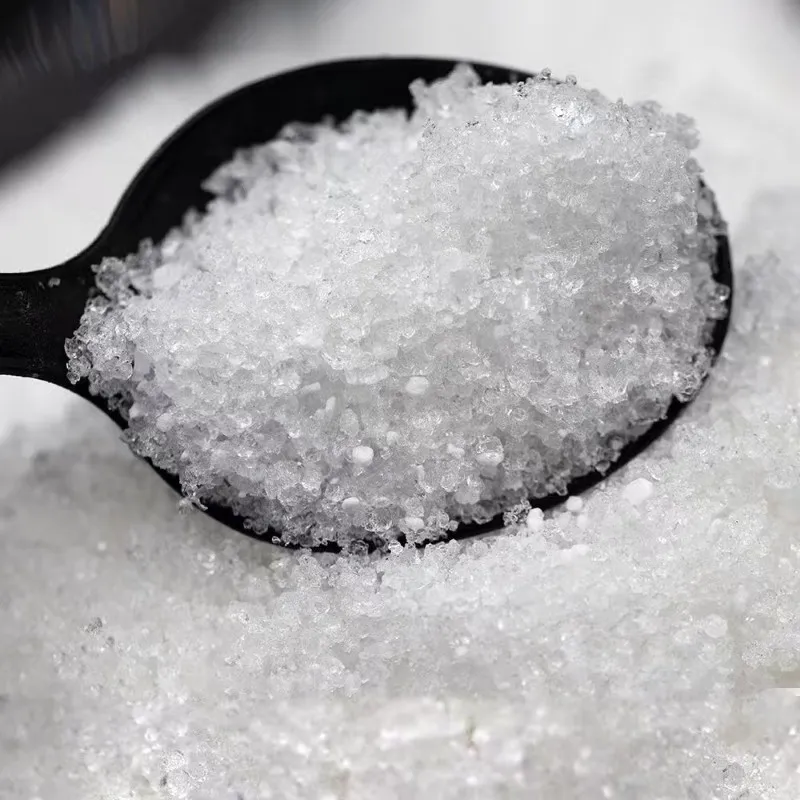
Natamycin is considered a natural substance because it is produced through fermentation. This natural origin makes it more acceptable in organic food production compared to synthetic additives. However, to be used in organic food, Natamycin must meet specific purity and sourcing requirements.
For example, the production process of Natamycin should not involve the use of synthetic solvents, genetically modified organisms, or other prohibited substances. Additionally, the raw materials used in its production should be sourced from organic or sustainable sources whenever possible.
Some organic certifying bodies may also require that Natamycin is used at the minimum effective level. This means that food producers should only use as much Natamycin as is necessary to prevent fungal growth and not exceed the recommended dosage.
Applications of Natamycin in Organic Food
In the organic food industry, Natamycin has several important applications.
Cheese Production: Cheese is one of the most common food products where Natamycin is used. In organic cheese production, Natamycin can be applied to the surface of the cheese to prevent the growth of mold during aging. This helps to maintain the quality and appearance of the cheese, ensuring that it meets the high standards expected by consumers.
Yogurt and Fermented Dairy Products: Yogurt and other fermented dairy products are also prone to fungal spoilage. Natamycin can be added to these products in small amounts to inhibit the growth of yeasts and molds, extending their shelf - life and maintaining their freshness.
Bakery Items: Organic bakery products, such as breads and cakes, can also benefit from the use of Natamycin. By applying a Natamycin solution to the surface of the baked goods, bakers can prevent the growth of mold, especially in products that are sold without preservatives.
Other Food Additives in the Context of Organic Food
While discussing Natamycin, it's also important to mention other food additives and their relationship with organic food. For example, Disodium Phosphate Uses in Food and Sodium Trimetaphosphate in Food are common food additives that have specific functions in food production. Similar to Natamycin, their use in organic food is also regulated by certifying bodies.
Disodium phosphate is often used as a buffering agent, emulsifier, or texturizer in food products. In organic food, its use is allowed only if it meets the organic standards, such as being sourced from natural or approved synthetic sources and not containing any prohibited substances.
Sodium trimetaphosphate is used for water retention, texture improvement, and other functions in food. Like other additives, its use in organic food is subject to strict regulations regarding its origin and purity.
Another food - related substance is Surfactant Sodium Lauryl Sulfate. Surfactants are used in food processing for various purposes, such as emulsification and foaming. However, in organic food production, the use of sodium lauryl sulfate is generally restricted due to its synthetic nature.
Quality Assurance as a Natamycin Supplier
As a Natamycin food additive supplier, we are committed to providing high - quality products that meet the requirements of organic food producers. We ensure that our Natamycin is produced using strict quality control measures. Our production process adheres to the highest standards of purity and sustainability.
We source our raw materials from reliable suppliers who share our commitment to organic and sustainable practices. Our Natamycin products are regularly tested for purity, potency, and the absence of prohibited substances. This ensures that our customers can use our Natamycin with confidence in their organic food production.
Conclusion and Call to Action
In conclusion, Natamycin can be used in organic food under certain conditions. Its natural origin and effectiveness in preventing fungal growth make it a valuable tool for organic food producers. However, it's important for food producers to ensure that they are using Natamycin in compliance with the relevant organic standards.
If you are an organic food producer looking for a reliable source of high - quality Natamycin, we invite you to contact us for more information. Our team of experts can provide you with detailed information about our products, their applications, and how they can meet your specific needs. We are dedicated to helping you produce organic food that is safe, high - quality, and meets the expectations of your customers.
References
- United States Department of Agriculture (USDA) National Organic Program. Organic Regulations.
- European Union Organic Regulation. Guidelines for Organic Food Production.
- Scientific literature on the properties and applications of Natamycin, including research papers on its antifungal activity and safety in food.