

Benzyl benzoate fragrance is a widely used ingredient in the fragrance and personal care industries, known for its sweet, balsamic odor and excellent fixative properties. As a supplier of benzyl benzoate fragrance, I often receive inquiries about its shelf - life. Understanding the shelf - life of this product is crucial for both manufacturers and end - users, as it ensures the quality and safety of the final products.
Factors Affecting the Shelf - Life of Benzyl Benzoate Fragrance
Chemical Stability
Benzyl benzoate is a relatively stable compound. Chemically, it is an ester formed from benzyl alcohol and benzoic acid. The ester bond in benzyl benzoate is moderately resistant to hydrolysis under normal conditions. However, in the presence of strong acids or bases, the ester bond can break, leading to the formation of benzyl alcohol and benzoic acid. This chemical reaction can change the odor profile of the fragrance and reduce its quality.
Storage Conditions
The storage environment plays a significant role in determining the shelf - life of benzyl benzoate fragrance. Temperature, light, and humidity are the key factors. High temperatures can accelerate chemical reactions, causing the fragrance to degrade more quickly. For example, if benzyl benzoate fragrance is stored in a place where the temperature exceeds 30°C for an extended period, the rate of hydrolysis may increase, leading to a shorter shelf - life.
Light, especially ultraviolet (UV) light, can also have a detrimental effect on the fragrance. UV light can initiate photochemical reactions, which may break down the chemical structure of benzyl benzoate and other components in the fragrance blend. Therefore, it is recommended to store benzyl benzoate fragrance in a dark place, such as a closed cabinet or a storage room with limited light exposure.
Humidity can also impact the stability of the fragrance. High humidity levels can introduce moisture into the product, which may promote hydrolysis reactions. Ideally, the storage humidity should be kept below 60% to maintain the quality of the benzyl benzoate fragrance.
Contamination
Contamination can significantly reduce the shelf - life of benzyl benzoate fragrance. Microbial contamination, for instance, can occur if the product is not properly sealed or if it comes into contact with unclean equipment during handling. Microorganisms such as bacteria, fungi, and yeasts can metabolize the fragrance components, leading to off - odors and a decrease in quality. Additionally, cross - contamination with other chemicals can also cause chemical reactions that degrade the fragrance.
Typical Shelf - Life of Benzyl Benzoate Fragrance
Under optimal storage conditions (temperature between 15 - 25°C, low light exposure, and humidity below 60%), the shelf - life of pure benzyl benzoate fragrance is generally around 2 - 3 years. However, if the fragrance is part of a blend with other more volatile or less stable components, the shelf - life may be shorter.
For example, if benzyl benzoate is blended with essential oils, which are often more prone to oxidation and degradation, the overall shelf - life of the fragrance blend may be reduced to 1 - 2 years. In such cases, the stability of the entire blend depends on the most unstable component.
Testing and Monitoring Shelf - Life
To ensure the quality of benzyl benzoate fragrance over time, regular testing is essential. Gas chromatography - mass spectrometry (GC - MS) is a commonly used analytical technique to monitor the chemical composition of the fragrance. By comparing the GC - MS results of a fresh sample and a stored sample, any changes in the chemical profile can be detected, indicating potential degradation.

Organoleptic testing, which involves evaluating the odor of the fragrance by a panel of trained experts, is also an important method. If the odor of the benzyl benzoate fragrance has changed significantly, it may be a sign of degradation.
Importance of Shelf - Life in the Industry
In the fragrance and personal care industries, the shelf - life of benzyl benzoate fragrance is of utmost importance. For manufacturers, using a fragrance that has exceeded its shelf - life can lead to product quality issues. Products with degraded fragrance may have an unpleasant odor, which can result in customer complaints and a loss of brand reputation.
For end - users, the shelf - life also matters. Consumers expect products to have a consistent and pleasant odor throughout their use. If a product contains a degraded fragrance, it may not provide the desired sensory experience, leading to dissatisfaction.
Related Products in the Personal Care Industry
In addition to benzyl benzoate fragrance, there are other important ingredients in the personal care industry. Skin Care Allantoin is a well - known ingredient for its skin - soothing and moisturizing properties. It can be used in various skin care products, such as creams, lotions, and serums, to promote skin health.
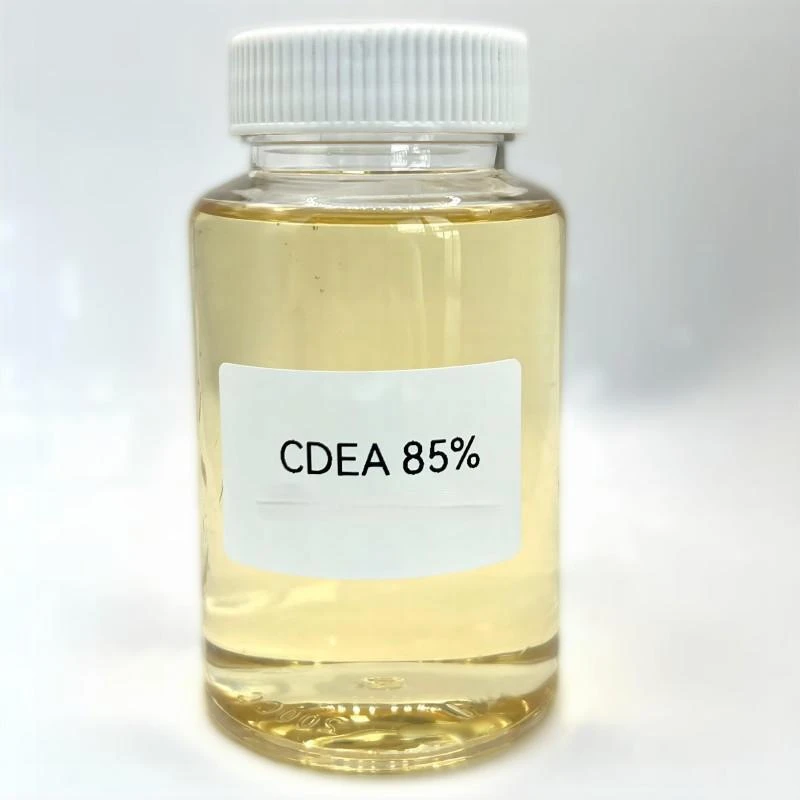
Cocamide Dea Surfactant is a common surfactant used in shampoos, body washes, and other cleansing products. It helps to create a rich lather and improve the cleaning efficiency of the products.
Calcium Stearate Powder is often used as a lubricant and anti - caking agent in cosmetics and personal care products. It can improve the texture and stability of the products.
Conclusion
As a supplier of benzyl benzoate fragrance, I understand the importance of providing high - quality products with a reasonable shelf - life. By ensuring proper storage conditions, conducting regular testing, and maintaining strict quality control measures, we can guarantee that our benzyl benzoate fragrance meets the industry standards.
If you are interested in purchasing benzyl benzoate fragrance or have any questions about its shelf - life and applications, please feel free to contact us for further discussion and procurement negotiation. We are committed to providing you with the best products and services to meet your needs.
References
- "Perfumery: The Art of Fragrance Creation" by J. B. Poucher
- "Cosmetic Science and Technology" edited by M. S. Balsam and E. Sagarin
- Journal of Cosmetic Science, various issues related to fragrance stability and shelf - life studies