

Hey there! As a supplier of Dexpanthenol Vitamin, I've been getting a lot of questions lately about its role in cell repair. So, I thought I'd take a deep dive into this topic and share what I've learned.
First off, let's talk about what Dexpanthenol Vitamin is. It's a derivative of pantothenic acid, which is also known as vitamin B5. Dexpanthenol is a stable form of vitamin B5 that can be easily absorbed by the skin and other tissues in the body. It's often used in skincare products, wound healing creams, and even in some hair care products.
Now, let's get to the main question: what's the role of Dexpanthenol Vitamin in cell repair? Well, it turns out that Dexpanthenol plays a crucial role in several key processes that are essential for cell repair and regeneration.
One of the primary functions of Dexpanthenol is its ability to hydrate the skin. When our skin is damaged, it loses its natural moisture barrier, which can lead to dryness, itching, and irritation. Dexpanthenol helps to restore this moisture barrier by attracting water to the skin and keeping it hydrated. This not only helps to soothe the skin but also promotes the growth of new skin cells.
In addition to its hydrating properties, Dexpanthenol also has anti - inflammatory effects. Inflammation is a natural response of the body to injury, but excessive inflammation can slow down the healing process. Dexpanthenol helps to reduce inflammation by inhibiting the production of pro - inflammatory cytokines. This allows the body to focus on repairing the damaged cells without being hindered by excessive inflammation.
Another important role of Dexpanthenol in cell repair is its involvement in the synthesis of proteins and lipids. Proteins are the building blocks of our cells, and lipids are essential for maintaining the integrity of the cell membrane. Dexpanthenol provides the necessary precursors for the synthesis of these important molecules, which is crucial for the growth and repair of new cells.
Let's take a closer look at how Dexpanthenol works at the cellular level. When Dexpanthenol is applied to the skin or taken orally, it is quickly absorbed and converted into pantothenic acid. Pantothenic acid is then incorporated into coenzyme A, which is a key molecule involved in many metabolic pathways in the cell. Coenzyme A is essential for the production of energy, the synthesis of fatty acids, and the metabolism of carbohydrates. By providing the necessary coenzyme A, Dexpanthenol ensures that the cells have enough energy and resources to carry out the repair process.
Now, I'd like to mention some other products that can work in tandem with Dexpanthenol Vitamin. For example, Caprylic Capric Triglyceride for Skin is a great addition to any skincare routine. It's a lightweight, non - greasy oil that can help to improve the texture of the skin and enhance the absorption of other active ingredients, including Dexpanthenol.
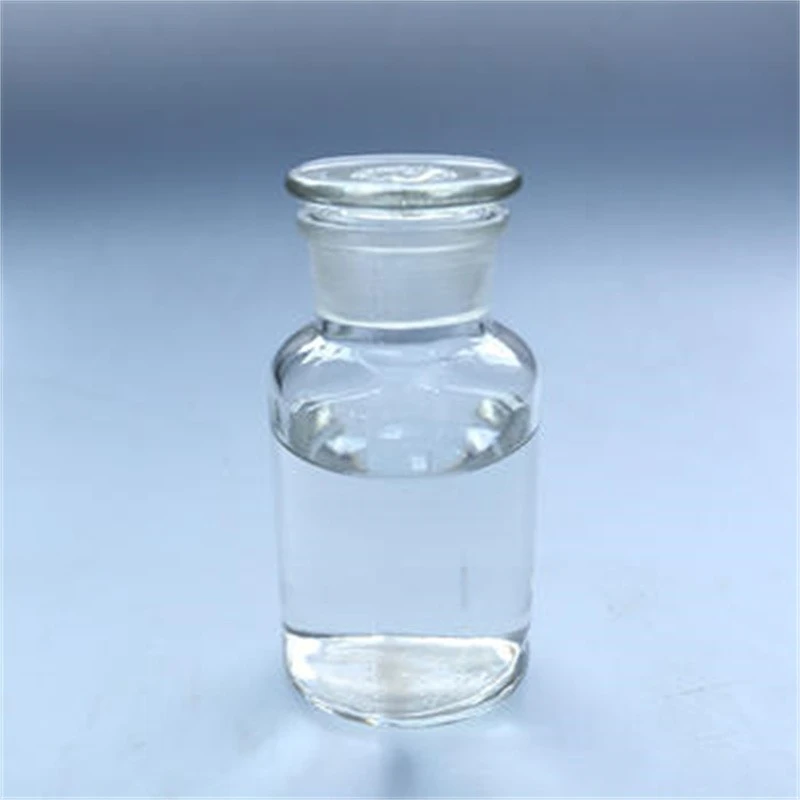
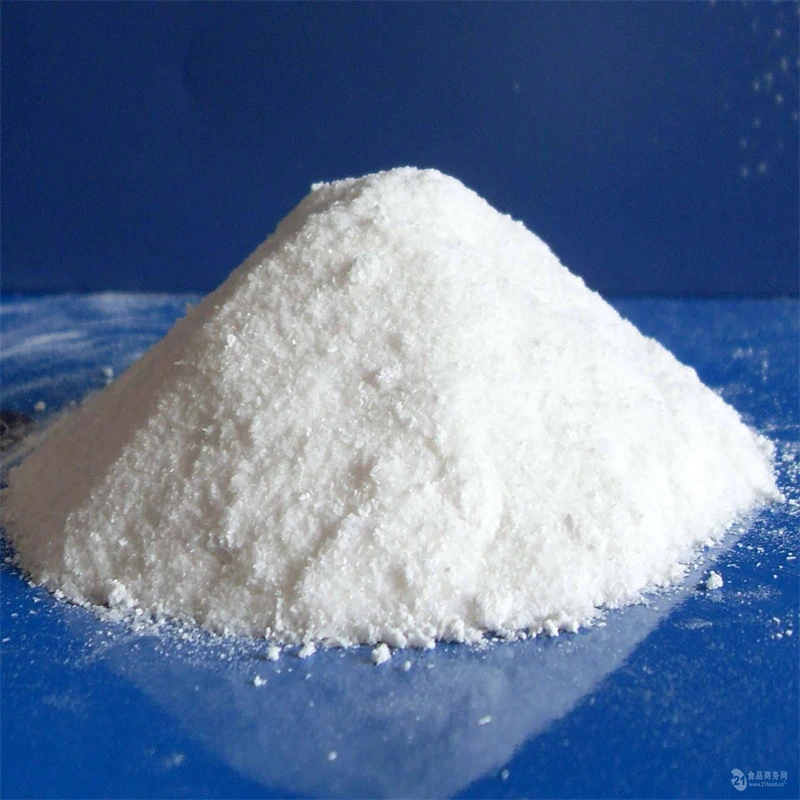
Benzyl Benzoate Fragrance can also be used in combination with Dexpanthenol in cosmetic products. It not only adds a pleasant scent but also has some antibacterial properties, which can be beneficial for preventing infections in damaged skin.
And if you're looking for an emulsifier to use in your formulations, Distilled Glycerin Monostearate is a great choice. It helps to keep the ingredients in your product well - mixed and stable, ensuring that the Dexpanthenol and other active ingredients are evenly distributed.
So, whether you're a skincare formulator looking to create a new product or a consumer looking for effective cell repair solutions, Dexpanthenol Vitamin is definitely worth considering. Its multiple benefits for cell repair make it a valuable ingredient in a wide range of applications.
If you're interested in purchasing Dexpanthenol Vitamin for your business or personal use, I'd love to have a chat with you. We can discuss your specific needs, the quantity you require, and any other details you might have. Don't hesitate to reach out to start the procurement negotiation process.
References
- "The Role of Pantothenic Acid in Human Nutrition" - Journal of Nutrition
- "Dexpanthenol: A Review of its Pharmacological Properties and Therapeutic Uses" - International Journal of Dermatology
- "Skin Hydration and Barrier Function" - Journal of Investigative Dermatology