

Hey there! As a supplier of Calcium Stearate Powder, I often get asked about the moisture content of this product. So, I thought I'd write a blog post to shed some light on this topic.
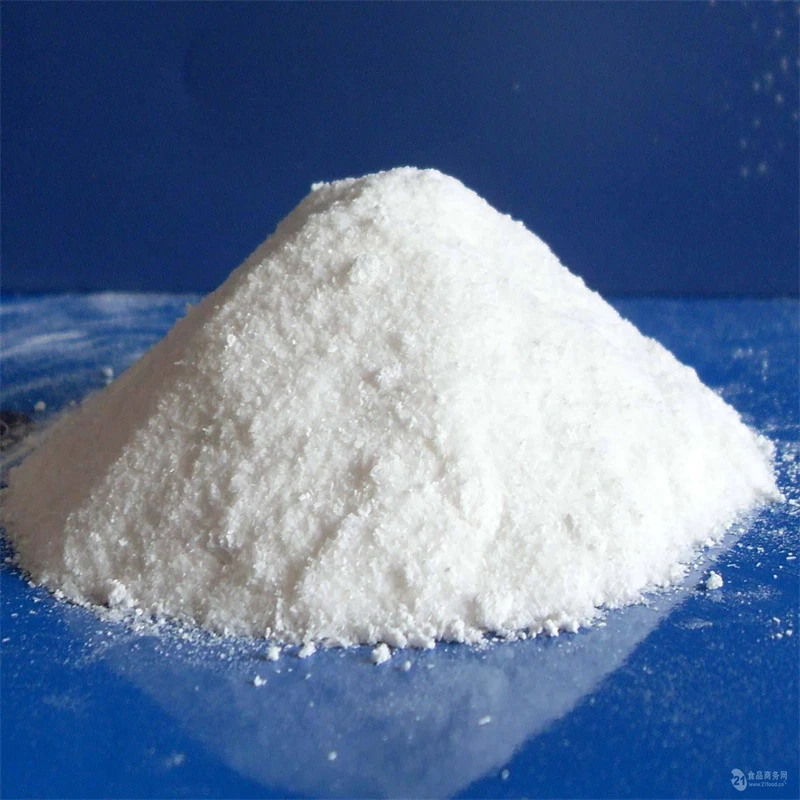
First off, let's talk a bit about Calcium Stearate Powder. It's a widely used additive in various industries, like plastics, rubber, and cosmetics. It acts as a lubricant, a release agent, and an anti - caking agent. Its properties can be significantly influenced by its moisture content.
The moisture content of Calcium Stearate Powder is a crucial factor because it can affect the powder's performance in different applications. For instance, in the plastics industry, if the moisture content is too high, it can lead to issues like poor dispersion of the powder in the plastic matrix. This can result in products with inconsistent quality, such as surface defects or reduced mechanical properties.
On the other hand, if the moisture content is too low, the powder might become too dry and difficult to handle. It could also lead to static electricity buildup, which can cause problems during the manufacturing process, like powder sticking to equipment.
So, what's the ideal moisture content? Well, it depends on the specific application. Generally, for most common applications, a moisture content of around 1 - 3% is considered optimal. But in some high - end or specialized applications, the tolerance for moisture can be even lower, sometimes less than 1%.
We, as a supplier, take great care to control the moisture content of our Calcium Stearate Powder. We use advanced drying and moisture - control technologies during the production process. After production, we also conduct rigorous quality checks to ensure that the moisture content meets the requirements of our customers.
Let's take a look at how we measure the moisture content. There are several methods available, but the most commonly used one is the loss - on - drying method. In this method, a sample of the powder is heated at a specific temperature for a set period of time. The weight loss during this process is then measured, and this weight loss is attributed to the moisture in the powder.
Another method is the Karl Fischer titration. This is a more precise method, especially for measuring very low moisture contents. It works by reacting the moisture in the sample with a Karl Fischer reagent, and the amount of reagent consumed is proportional to the moisture content.
Now, let's talk about how the moisture content can impact other properties of Calcium Stearate Powder. A higher moisture content can increase the powder's tendency to clump together. This is because the water molecules can act as a binding agent between the powder particles. Clumping can make it difficult to store, transport, and use the powder.
It can also affect the chemical stability of the powder. Moisture can promote chemical reactions, such as hydrolysis, which can degrade the quality of the Calcium Stearate Powder over time. This is why proper storage conditions are also important. We always recommend storing the powder in a dry and cool place to minimize moisture absorption.

In the cosmetics industry, the moisture content is also a critical factor. Cosmetic products need to have a consistent texture and performance. If the Calcium Stearate Powder used in cosmetics has an improper moisture content, it can affect the stability and appearance of the final product. For example, it might cause the product to separate or develop an unpleasant odor.
When it comes to the relationship between moisture content and other additives, it's also worth mentioning. For example, if you're using Cocamide Dea Surfactant or Sles in combination with Calcium Stearate Powder, the moisture content can influence how these substances interact with each other. A high moisture content might change the solubility or reactivity of these additives, which can in turn affect the overall performance of the product.
Similarly, when used with Distilled Glycerin Monostearate, the moisture content of Calcium Stearate Powder can impact the emulsification and stabilization properties of the mixture.
As a supplier, we understand that every customer has unique requirements. That's why we offer customized solutions. If you need a specific moisture content for your application, we can work with you to develop a product that meets your exact needs.
We also provide technical support to our customers. If you have any questions about how the moisture content might affect your specific application, our team of experts is always ready to help. We can offer advice on storage, handling, and usage to ensure that you get the best performance from our Calcium Stearate Powder.
In conclusion, the moisture content of Calcium Stearate Powder is a critical parameter that can significantly impact its performance in various applications. We, as a supplier, are committed to providing high - quality products with well - controlled moisture contents.
If you're interested in purchasing Calcium Stearate Powder or have any questions about our products, feel free to reach out to us. We're more than happy to discuss your requirements and help you find the perfect solution for your business.
References
- "Handbook of Plastic Additives" by Zweifel, H., Schiller, M., and Krause, H.
- "Industrial Chemistry" textbooks for general knowledge on chemical production and quality control.