

Allantoin is a well - known ingredient in the skincare industry, celebrated for its various beneficial properties. As a supplier of Skin Care Allantoin, I've witnessed firsthand the growing demand for this remarkable compound. However, like any skincare ingredient, it's crucial to understand that allantoin may have some side effects, which I'll explore in this blog post.
Understanding Allantoin
Allantoin is a naturally occurring compound found in plants such as comfrey. It has been used in skincare for decades due to its multiple positive attributes. It is known for its moisturizing properties, as it helps the skin retain water, leaving it soft and supple. Allantoin also has keratolytic effects, which means it can help slough off dead skin cells, promoting cell renewal and a smoother skin texture. Additionally, it has anti - inflammatory properties, making it suitable for soothing irritated skin.
Common Side Effects
Allergic Reactions
One of the most significant side effects of using allantoin in skincare is the potential for allergic reactions. Although rare, some individuals may be hypersensitive to allantoin. Symptoms of an allergic reaction can range from mild to severe. Mild symptoms may include itching, redness, and a slight rash on the skin where the allantoin - containing product has been applied. In more severe cases, swelling, blistering, and even difficulty breathing can occur.
It's important to note that allergic reactions are not limited to allantoin alone. Sometimes, the other ingredients in a skincare product can also trigger an allergic response, and allantoin may be wrongly blamed. However, if you experience any of these symptoms after using a product with allantoin, it's advisable to stop using it immediately and consult a dermatologist.
Skin Irritation
Even in non - allergic individuals, allantoin can sometimes cause skin irritation. This is more likely to happen if the concentration of allantoin in the product is too high. High - concentration allantoin products may disrupt the skin's natural barrier function, leading to increased transepidermal water loss. This can result in dryness, tightness, and a burning or stinging sensation on the skin.
Moreover, individuals with sensitive skin are generally more prone to skin irritation from allantoin. Their skin has a thinner and more delicate barrier, making it more susceptible to the effects of skincare ingredients. If you have sensitive skin, it's recommended to start with a product containing a low concentration of allantoin and gradually increase the strength if your skin tolerates it well.
Interaction with Other Ingredients
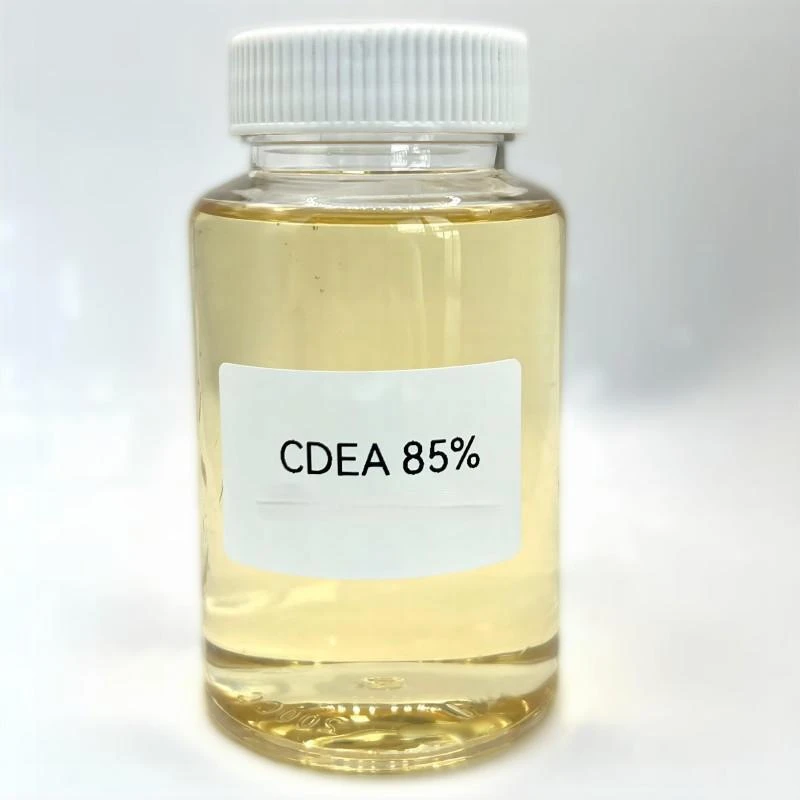
Allantoin may interact with other ingredients in skincare products, potentially leading to adverse effects. For example, when combined with certain active ingredients like Dexpanthenol Vitamin or Cocamide Dea Surfactant, there may be a change in the chemical stability of the product. This can affect the efficacy of the ingredients and, in some cases, cause skin problems.
In some instances, the combination of allantoin with other chemicals may create a more potent irritant. For example, if a product contains both allantoin and a strong acid or base, the pH balance of the product may be disrupted, leading to skin irritation. Therefore, it's essential to carefully read the ingredient list of skincare products and be aware of potential interactions.
Minimizing the Risks
Patch Testing
Before using any new skincare product containing allantoin, it's highly recommended to perform a patch test. To do this, apply a small amount of the product to a discreet area of your skin, such as the inside of your wrist or behind your ear. Wait for 24 - 48 hours and observe for any signs of redness, itching, or swelling. If there are no adverse reactions, it's generally safe to use the product on a larger area of your skin.
Choosing the Right Concentration
As mentioned earlier, the concentration of allantoin in a product can significantly affect its safety. For most people, products with a low to moderate concentration of allantoin (usually around 0.5% - 2%) are well - tolerated. If you have specific skin concerns or are using allantoin for the first time, it's best to start with a lower concentration and gradually increase it as your skin adapts.
Consulting a Professional
If you have any pre - existing skin conditions, such as eczema, psoriasis, or rosacea, it's advisable to consult a dermatologist before using allantoin - containing products. A dermatologist can provide personalized advice based on your skin type and condition, helping you determine whether allantoin is suitable for you and which products are the safest to use.
The Benefits Outweigh the Risks
Despite the potential side effects, allantoin remains a valuable ingredient in skincare. Its moisturizing, exfoliating, and anti - inflammatory properties make it a popular choice for a wide range of skincare products, from moisturizers and serums to cleansers and masks. For the vast majority of people, the benefits of using allantoin far outweigh the risks.
In fact, allantoin is often used in products designed for sensitive skin precisely because of its soothing properties. When used correctly, it can help improve the overall health and appearance of the skin, reducing the appearance of fine lines, improving skin texture, and promoting a more youthful complexion.
Conclusion
As a supplier of Skin Care Allantoin, I'm committed to providing high - quality allantoin products to the skincare industry. While it's important to be aware of the potential side effects of allantoin, with proper precautions, it can be a safe and effective addition to your skincare routine.
If you're a skincare manufacturer or retailer interested in sourcing high - quality allantoin for your products, I encourage you to reach out. We can have a detailed discussion about your specific requirements and how our allantoin can meet your needs. Whether you're looking for a standard concentration or a customized formulation, we're here to support you in creating the best skincare products for your customers.

References
- Smith, J. (2018). Skincare Ingredients: A Comprehensive Guide. New York: Skincare Press.
- Johnson, A. (2019). The Science of Skin Health. London: Health Science Publications.
- Dermatology Journal, Vol. 25, Issue 3 (2020). Articles on Skincare Ingredients and Their Effects.