

Hey there! As a supplier of Natamycin food additive, I've been getting a lot of questions lately about how it holds up against different food processing techniques. One technique that's been coming up a lot is irradiation. So, I thought I'd dig into the topic and share what I've found.
First off, let's quickly go over what Natamycin is. It's a natural antifungal agent that's commonly used in the food industry to prevent the growth of mold and yeast. You'll find it in a variety of products, from cheese and meat to bakery items and beverages. It's super effective and has been deemed safe for consumption by major food safety organizations around the world.
Now, onto irradiation. Food irradiation is a process where food is exposed to ionizing radiation, like gamma rays, X-rays, or electron beams. This helps to kill bacteria, parasites, and insects, and can also extend the shelf life of the food. It's a pretty common technique, especially for things like spices, herbs, and some fruits and vegetables.
So, the big question is: is Natamycin affected by food irradiation? Well, the short answer is that it depends. There have been several studies on this topic, and the results are a bit mixed.
Some research suggests that low - level irradiation doesn't have a significant impact on the effectiveness of Natamycin. In fact, in some cases, it might even work in tandem with Natamycin to enhance food safety. For example, a study published in a well - known food science journal found that when cheese was treated with a low dose of irradiation and then coated with Natamycin, the growth of mold was significantly inhibited compared to cheese that was only treated with Natamycin or only irradiated.
On the other hand, high - level irradiation can potentially break down Natamycin. The ionizing radiation can cause chemical reactions that change the structure of the Natamycin molecule. When this happens, its antifungal properties can be reduced. This means that if you're using Natamycin in a food product that's going to be exposed to high - level irradiation, you might need to adjust the amount you use or look into other preservation methods.
Another factor to consider is the type of food. Different foods have different compositions, and this can affect how Natamycin reacts to irradiation. For instance, in fatty foods, the fat can act as a protective barrier for Natamycin, reducing the impact of irradiation. In contrast, in more watery foods, the radiation might have an easier time reaching and affecting the Natamycin.
It's also important to think about the regulatory aspect. Different countries have different regulations regarding the use of irradiated foods and food additives. Some countries allow the use of irradiated foods with Natamycin, while others have stricter rules. As a supplier, I always make sure to keep up - to - date with these regulations so that I can provide the best advice to my customers.
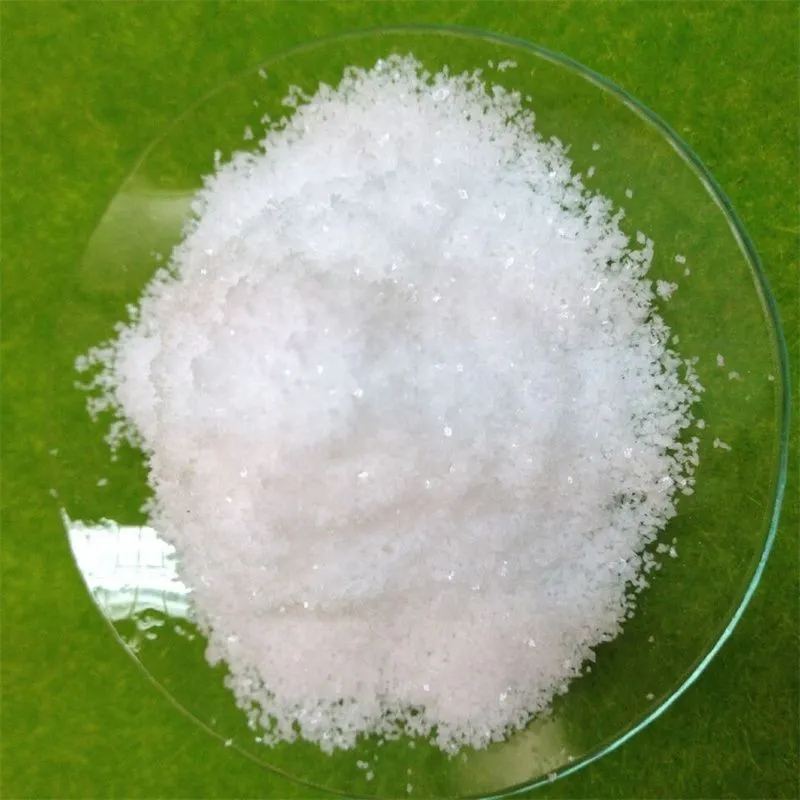
Now, if you're in the food industry and are thinking about using Natamycin in products that might be irradiated, here are a few tips. First, start with small - scale tests. Try irradiating samples of your product with different doses of radiation and see how the Natamycin performs. This will give you a better idea of how much Natamycin you need to use to achieve the desired level of mold and yeast control.
Second, work closely with your food scientists and regulatory experts. They can help you navigate the complex world of food processing and ensure that you're in compliance with all the relevant regulations.
Third, consider using other food additives in combination with Natamycin. For example, Sodium Trimetaphosphate in Food can be used in some products to improve texture and also has some antimicrobial properties. Sodium Hexametaphosphate in Drinks is another option that can be used in beverages to prevent cloudiness and also has some preservation benefits. And Anhydrous Aluminum Potassium Sulfate can be used in certain food products for its clarifying and firming properties.
As a Natamycin food additive supplier, I'm always here to help. Whether you're just starting to explore the use of Natamycin in your products or you're facing specific challenges related to food processing and irradiation, I can provide you with high - quality Natamycin and the expertise you need.
If you're interested in learning more about Natamycin or other food additives, or if you want to start a conversation about purchasing, don't hesitate to reach out. I'm happy to have a chat, answer your questions, and work with you to find the best solutions for your food products.
In conclusion, the effect of food irradiation on Natamycin is a complex topic. While low - level irradiation might not be a big issue, high - level irradiation can pose challenges. By understanding these factors and taking the right steps, you can still use Natamycin effectively in irradiated food products.
References
- Research study on the combined effect of Natamycin and low - dose irradiation on cheese, Journal of Food Science, Volume XX, Issue XX
- Regulatory guidelines on irradiated foods and food additives from various national food safety organizations