

Hey there! As a supplier of sugar substitutes maltitol, I often get asked whether maltitol is a natural sugar substitute. It's a hot - topic, especially among health - conscious folks and those in the food industry looking for sweet alternatives. So, let's dig deep into this and find out the truth.
First off, let's understand what maltitol is. Maltitol is a sugar alcohol, also known as a polyol. It's made by hydrogenating maltose, which is a disaccharide formed from two glucose molecules. Maltose itself can be obtained from starch hydrolysis. Starch is a natural polymer found in many plants like corn, wheat, and potatoes. So, in a way, maltitol has a natural origin since it starts from natural starch sources.
One of the things that make maltitol appealing as a sugar substitute is its sweetness. It has about 75 - 90% of the sweetness of regular sugar (sucrose). This means you can use it in many food products to achieve a similar level of sweetness with less of the ingredient. And for those watching their calorie intake, maltitol is a great option. It has a lower calorie content compared to sucrose, providing about 2.1 calories per gram, while sucrose has 4 calories per gram.

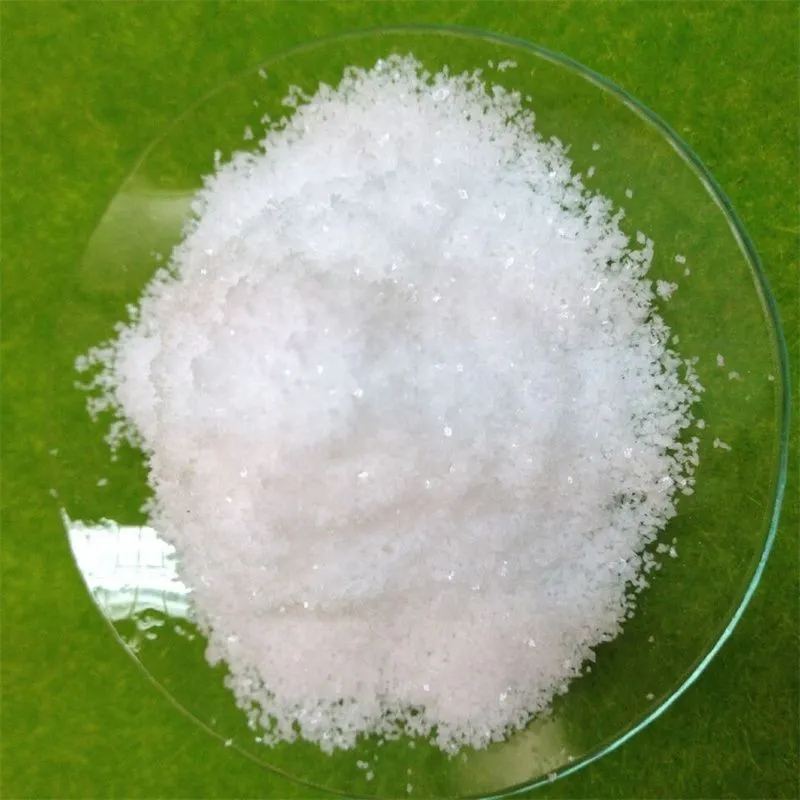
But here's where the "natural" debate gets a bit tricky. The process of making maltitol involves hydrogenation, which is a chemical process. Some people argue that because of this chemical step, maltitol can't be considered a completely natural sugar substitute. However, it's important to note that the starting materials are natural starches. Also, the hydrogenation process is a well - established and widely used industrial method.
When it comes to health benefits, maltitol has a few aces up its sleeve. It has a low glycemic index (GI), which means it doesn't cause a rapid spike in blood sugar levels like regular sugar does. This makes it suitable for people with diabetes or those trying to manage their blood glucose. Additionally, maltitol is less likely to cause tooth decay compared to sucrose. Bacteria in the mouth don't ferment maltitol as readily as they do regular sugar, so it's a better option for oral health.
In the food industry, maltitol is a versatile ingredient. It can be used in a wide range of products, from chocolates and candies to baked goods and ice creams. Its properties, such as its ability to retain moisture and prevent crystallization, make it an ideal choice for food manufacturers.
Now, let's talk about some related food additives. If you're interested in other food - related substances, you might want to check out [Sodium Trimetaphosphate in Food](/food - additives/sodium - trimetaphosphate - in - food.html). It's used in various food applications and has its own unique set of functions. Another interesting additive is [Msg Flavouring Salt](/food - additives/msg - flavouring - salt.html), which can enhance the taste of food. And for those in the beverage industry, [Sodium Hexametaphosphate in Drinks](/food - additives/sodium - hexametaphosphate - in - drinks.html) plays an important role in maintaining the quality of drinks.
However, like any food ingredient, maltitol also has some potential drawbacks. Some people may experience digestive issues such as bloating, gas, or diarrhea when consuming large amounts of maltitol. This is because it's not fully absorbed in the small intestine and can have a laxative effect in high doses. But these effects are usually dose - dependent, and most people can tolerate moderate amounts without any problems.
So, is maltitol a natural sugar substitute? Well, it's a bit of a gray area. It has natural origins from starches, but the manufacturing process involves a chemical step. Whether you consider it natural or not might depend on your personal definition of "natural." But what's clear is that it offers many benefits as a sugar substitute, both in terms of health and food - manufacturing applications.
If you're in the food industry, a health - conscious consumer, or just someone looking for a better sweetening option, maltitol could be a great choice for you. As a supplier, I've seen firsthand how maltitol has been successfully incorporated into various products. We have a wide range of maltitol products that meet different quality and purity standards.
If you're interested in learning more about our maltitol offerings or want to discuss potential partnerships for your food products, don't hesitate to reach out. We're always open to having conversations about how we can meet your specific needs and help you create delicious and healthier food products.
References
- International Food Information Council. "Sugar Alcohols: The Low - Calorie Sweeteners."
- American Diabetes Association. "Alternative Sweeteners."
- Journal of Food Science. Research on the use of maltitol in food products.