

Hey there! As a supplier of Benzyl Benzoate Fragrance, I often get asked about how to test the quality of this stuff. It's a crucial question, especially for those in the fragrance industry who rely on top - notch products to create amazing scents. So, let's dive right in and explore the various ways to test the quality of Benzyl Benzoate Fragrance.
Physical Appearance
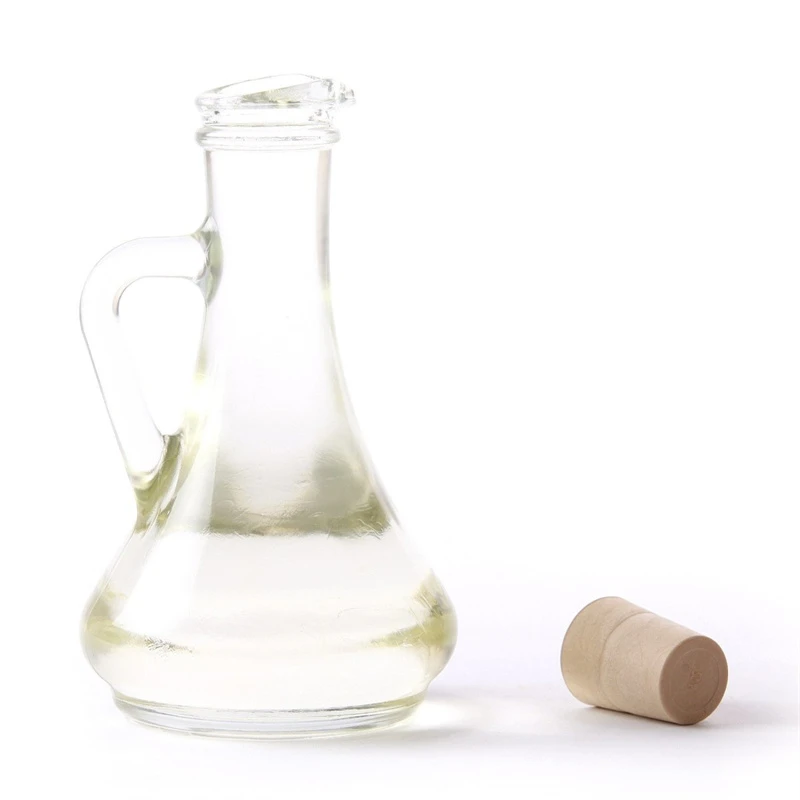
The first step in assessing the quality of Benzyl Benzoate Fragrance is to take a good look at its physical appearance. A high - quality Benzyl Benzoate Fragrance should be clear and colorless or have only a very slight yellowish tint. Any signs of cloudiness, sediment, or an abnormal color can indicate impurities or degradation.
When you receive a batch of the fragrance, pour a small amount into a clean, clear glass container. Hold it up to the light and check for any visual irregularities. If you notice any particles floating in the liquid or if the color is off, it's a red flag. This simple visual inspection can save you a lot of trouble down the line.
Odor Evaluation
The odor is, of course, one of the most important aspects of a fragrance. Benzyl Benzoate has a characteristic, slightly sweet and balsamic odor. To test the odor quality, you can use a smelling strip or simply take a whiff directly from the container (but be careful not to inhale too deeply as some chemicals can be irritating).
Compare the odor of the sample you're testing with a known high - quality reference sample. Does it have the same pleasant, clean, and well - defined scent? Any off - notes, such as a harsh or chemical - like smell, can indicate that the fragrance has been contaminated or is of poor quality. You can also ask a few colleagues or experts in the field to do a smell test. Sometimes, multiple opinions can help you get a more accurate assessment.
Purity Testing
Purity is a key factor in determining the quality of Benzyl Benzoate Fragrance. There are several methods to test the purity of this compound.

Gas Chromatography (GC)
Gas chromatography is a widely used analytical technique in the fragrance industry. It separates the different components of a sample based on their volatility and affinity for the stationary phase in the column. In the case of Benzyl Benzoate Fragrance, GC can help identify any impurities or contaminants present in the sample.
A high - quality Benzyl Benzoate Fragrance should have a high peak corresponding to the Benzyl Benzoate compound, with minimal peaks for other substances. If there are significant peaks for unknown compounds, it means there are impurities in the sample. The purity of the Benzyl Benzoate can be calculated based on the area of the Benzyl Benzoate peak relative to the total area of all peaks in the chromatogram.
High - Performance Liquid Chromatography (HPLC)
HPLC is another powerful analytical tool. It works by separating compounds based on their interaction with a stationary phase and a mobile phase. Similar to GC, HPLC can detect impurities in Benzyl Benzoate Fragrance. It's especially useful for analyzing non - volatile or thermally unstable components that might not be suitable for GC analysis.
The results from HPLC can provide detailed information about the composition of the fragrance, allowing you to determine if it meets the required purity standards.
Solubility Test
Benzyl Benzoate is soluble in many organic solvents, such as ethanol and diethyl ether. To perform a solubility test, take a small amount of the fragrance and add it to a known volume of the solvent. Stir the mixture gently and observe how well the Benzyl Benzoate dissolves.
A high - quality sample should dissolve completely and quickly, leaving no residue. If there is any undissolved material or if the solution becomes cloudy, it could indicate the presence of impurities or an incorrect formulation. This test can give you an idea of the physical and chemical properties of the fragrance and its suitability for use in various applications.
Stability Testing
Fragrances need to be stable over time to maintain their quality. Stability testing of Benzyl Benzoate Fragrance involves subjecting the sample to different environmental conditions, such as heat, light, and humidity, and then evaluating any changes in its properties.
Heat Stability
Place a sample of the fragrance in a sealed container and heat it to a specific temperature (usually around 40 - 50°C) for a certain period, say a few weeks. After the heating period, check the odor, color, and physical appearance of the sample. A stable fragrance should not show significant changes in these properties. Any changes, such as a change in odor or the formation of a precipitate, can indicate that the fragrance is not heat - stable.
Light Stability
Expose another sample of the fragrance to light, preferably sunlight or artificial UV light. Similar to the heat stability test, observe any changes in the sample over time. Light can cause chemical reactions in fragrances, leading to the degradation of the compounds and a change in the odor and appearance. A high - quality Benzyl Benzoate Fragrance should be relatively resistant to light - induced changes.
Humidity Stability
Store a sample in a high - humidity environment (e.g., in a chamber with a relative humidity of 70 - 80%) for a few weeks. Check for any signs of hydrolysis or other moisture - related reactions. A stable fragrance should remain unaffected by the high humidity.
Compatibility Testing
If you plan to use Benzyl Benzoate Fragrance in a specific formulation, it's important to test its compatibility with other ingredients. For example, if you're using it in a personal care product, you need to make sure it doesn't react with other components like Distilled Glycerin Monostearate, Caprylic Capric Triglyceride for Skin, or TC Carbomer 340.
Mix a small amount of the Benzyl Benzoate Fragrance with the other ingredients in the formulation and observe the mixture over time. Look for any signs of phase separation, precipitation, or a change in odor. Compatibility issues can lead to product instability and poor performance, so it's crucial to conduct these tests before large - scale production.
Conclusion
Testing the quality of Benzyl Benzoate Fragrance is a multi - step process that involves evaluating its physical appearance, odor, purity, solubility, stability, and compatibility. By using a combination of these tests, you can ensure that you're getting a high - quality product that meets your specific requirements.
If you're in the market for top - notch Benzyl Benzoate Fragrance, I'd love to have a chat with you. Whether you're a small - scale perfumer or a large - scale manufacturer, we can work together to find the perfect solution for your needs. Don't hesitate to reach out if you have any questions or if you're interested in discussing a potential purchase.
References
- ASTM International. (Year). Standard test methods for fragrance materials.
- Williams, A. (Year). Handbook of fragrance analysis.