

Calcium stearate powder is a widely used additive in various industries, including plastics, rubber, cosmetics, and pharmaceuticals. As a supplier of calcium stearate powder, I understand the importance of proper storage to maintain its quality and performance. In this blog post, I will share some essential guidelines on how calcium stearate powder should be stored to ensure its long - term stability and effectiveness.
Understanding Calcium Stearate Powder
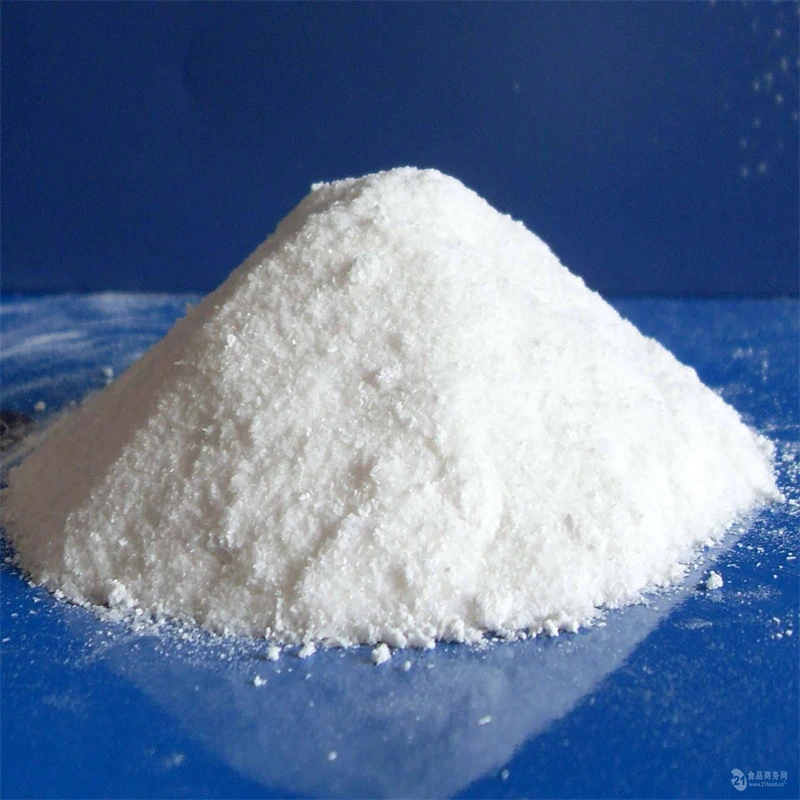
Before delving into storage methods, it's crucial to understand the properties of calcium stearate powder. Calcium stearate is a white, waxy powder that is insoluble in water but soluble in organic solvents. It is a salt of stearic acid and calcium, and it has excellent lubricating, anti - caking, and release properties. These properties make it a popular choice in many industrial applications, such as a lubricant in plastic processing to prevent the plastic from sticking to the mold, or as an anti - caking agent in powdered products.
General Storage Conditions
Temperature
One of the most critical factors in storing calcium stearate powder is temperature. Calcium stearate powder should be stored in a cool and dry place. Ideally, the storage temperature should be between 10°C and 30°C. High temperatures can cause the powder to soften or even melt, which can lead to clumping and a change in its physical properties. For example, if the powder is stored in an area where the temperature frequently exceeds 40°C, it may start to lose its free - flowing nature and become more difficult to handle. On the other hand, extremely low temperatures can also have a negative impact. If the powder is exposed to temperatures below freezing, it may become brittle and more prone to breakage during handling.
Humidity
Humidity is another important consideration. Calcium stearate powder is hygroscopic, which means it can absorb moisture from the air. Excessive moisture can cause the powder to clump, form lumps, and even promote the growth of mold and bacteria. Therefore, the storage environment should have a relative humidity of less than 60%. To control humidity, it is advisable to use dehumidifiers in the storage area, especially in regions with high humidity levels. Additionally, the powder should be stored in sealed containers to minimize its exposure to the surrounding air.
Light
Calcium stearate powder should be protected from direct sunlight and other sources of intense light. Ultraviolet (UV) light can cause chemical reactions in the powder, leading to a change in its color and performance. For instance, prolonged exposure to sunlight may cause the powder to turn yellowish, which can be a sign of degradation. To prevent this, the storage area should be dark or use opaque containers to store the powder.
Storage Containers
The choice of storage containers is also crucial for maintaining the quality of calcium stearate powder.
Sealed Plastic Bags
Sealed plastic bags are a common and cost - effective option for storing calcium stearate powder. They provide a good barrier against moisture and air. However, it is important to ensure that the bags are made of high - quality plastic that is resistant to punctures and tears. Before sealing the bags, it is advisable to remove as much air as possible to reduce the risk of oxidation.
Metal Drums
Metal drums are another popular choice, especially for large - scale storage. They are durable and can provide better protection against physical damage. However, metal drums need to be properly lined to prevent corrosion and contamination of the powder. A plastic liner is often used inside the metal drum to create a barrier between the powder and the metal surface.

Glass Containers
Glass containers are suitable for small - scale storage or for storing samples. They are transparent, which allows for easy visual inspection of the powder. Glass is also inert, which means it will not react with the calcium stearate powder. However, glass containers are fragile and need to be handled with care to avoid breakage.
Storage Location
Ventilation
The storage area should be well - ventilated to prevent the accumulation of dust and fumes. Good ventilation helps to maintain a stable environment and reduces the risk of explosion or fire. If the powder is stored in a poorly ventilated area, the dust particles can build up in the air, creating a potentially hazardous situation. Ventilation systems should be designed to remove any dust or fumes generated during handling or storage.
Separation from Other Chemicals
Calcium stearate powder should be stored separately from other chemicals, especially those that are incompatible. For example, it should not be stored near strong acids or alkalis, as they can react with calcium stearate and cause degradation. Additionally, it should be kept away from oxidizing agents, which can also cause chemical reactions and reduce the quality of the powder.
Handling During Storage
Loading and Unloading
When loading and unloading calcium stearate powder, it is important to use proper handling equipment to prevent spillage and contamination. Forklifts or pallet jacks should be used to move large containers, and they should be operated carefully to avoid dropping or tipping the containers. For small - scale handling, scoops or shovels should be clean and dry to prevent the introduction of foreign materials into the powder.
Inventory Management
Proper inventory management is essential to ensure that the oldest stock is used first. This is known as the "first - in, first - out" (FIFO) principle. By following this principle, you can minimize the risk of using expired or degraded powder. Regular inventory checks should be conducted to monitor the quantity and quality of the stored powder.
Impact of Improper Storage
If calcium stearate powder is not stored properly, it can have several negative impacts.
Quality Degradation
As mentioned earlier, improper storage can lead to clumping, discoloration, and a change in the physical and chemical properties of the powder. This can affect its performance in various applications. For example, if the powder is used as a lubricant in plastic processing, a change in its properties may result in poor mold release and surface finish of the plastic products.
Safety Risks
Improper storage can also pose safety risks. As mentioned, the accumulation of dust in a poorly ventilated area can create an explosion hazard. Additionally, if the powder is contaminated with other chemicals, it can cause health problems for workers who handle it.
Related Products
If you are interested in other related products, we also offer Distilled Glycerin Monostearate, Cocamide Dea Surfactant, and Organic Camellia Seed Oil. These products are also widely used in the personal care and other industries.
Conclusion
Proper storage of calcium stearate powder is essential to maintain its quality, performance, and safety. By following the guidelines on temperature, humidity, light, storage containers, location, and handling, you can ensure that the powder remains in good condition for an extended period. As a supplier of calcium stearate powder, we are committed to providing high - quality products and sharing our expertise on proper storage. If you have any questions about calcium stearate powder storage or are interested in purchasing our products, please feel free to contact us for further discussion and procurement negotiation.
References
- "Handbook of Industrial Chemical Additives" by John Murphy
- "Plastics Additives: An A - Z Reference" by Geoffrey Pritchard
- Industry standards and guidelines for chemical storage and handling