

Ethyl vanilla, a synthetic flavoring agent, has long been a staple in the food industry, valued for its ability to impart a rich, sweet, and creamy vanilla - like flavor. As a supplier of ethyl vanilla, I often receive inquiries regarding the appropriate amount of ethyl vanilla that can be added to food. In this blog, I will delve into the scientific aspects of this question, providing a comprehensive overview to help food manufacturers and enthusiasts make informed decisions.
Understanding Ethyl Vanilla
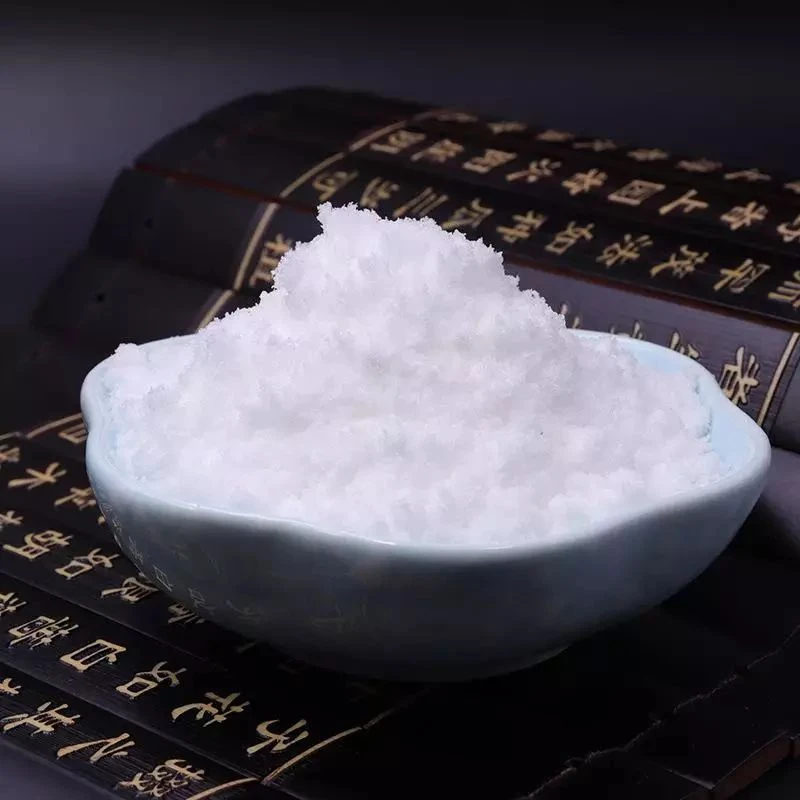
Ethyl vanilla, also known as ethyl vanillin, is a synthetic compound that mimics the flavor of natural vanilla. It is approximately three to four times stronger in flavor than natural vanillin, which is the primary flavor - component of vanilla beans. Due to its potency and cost - effectiveness, ethyl vanilla is widely used in a variety of food products, including baked goods, confectionery, dairy products, and beverages.
Regulatory Guidelines
Before discussing the specific amounts, it is crucial to understand the regulatory framework governing the use of ethyl vanilla in food. In the United States, the Food and Drug Administration (FDA) has classified ethyl vanillin as a generally recognized as safe (GRAS) substance. The GRAS status means that, based on a long history of common use in food or on the basis of published scientific evidence, ethyl vanillin is considered safe for consumption when used in accordance with good manufacturing practices.
In the European Union, ethyl vanillin is regulated under the Flavourings Regulation (EC) No 1334/2008. The regulation sets out the conditions for the use of flavoring substances, including ethyl vanillin, in food products. It specifies maximum levels for certain food categories to ensure consumer safety.
Factors Influencing the Amount of Ethyl Vanilla
The amount of ethyl vanilla that can be added to food depends on several factors:
1. Food Product Type
Different food products have different flavor profiles and requirements. For example, in baked goods such as cakes and cookies, a relatively small amount of ethyl vanilla can go a long way. A typical usage level for cakes might range from 0.1% to 0.3% by weight of the total recipe. This is because the other ingredients in the cake, such as flour, sugar, and eggs, also contribute to the overall flavor, and too much ethyl vanilla can overpower the other flavors.

In contrast, confectionery products like hard candies and chocolate often require a higher concentration of ethyl vanilla. The intense sweetness and hardness of these products can mask the flavor to some extent, so usage levels can be as high as 0.5% to 1% by weight.
Dairy products, such as ice cream and yogurt, usually fall in the middle range. A common usage level for ice cream is around 0.2% to 0.4% by weight. The creamy texture of dairy products helps to disperse the flavor evenly, but the natural flavor of milk also needs to be considered.
2. Desired Flavor Intensity
The final flavor intensity is a subjective factor that depends on the target market and consumer preferences. Some consumers prefer a subtle vanilla flavor, while others enjoy a more pronounced and intense taste. Food manufacturers need to conduct sensory evaluations to determine the optimal amount of ethyl vanilla for their specific product.
3. Compatibility with Other Ingredients
Ethyl vanilla should be used in harmony with other flavoring agents and ingredients in the food product. For example, if a product already contains other strong - flavored ingredients like Coolant Agent Powder or Organic Spearmint Essential Oil, the amount of ethyl vanilla may need to be adjusted to maintain a balanced flavor profile.
Recommended Usage Levels
Based on industry standards and best practices, here are some general recommended usage levels for ethyl vanilla in different food categories:
Baked Goods
- Cakes: 0.1% - 0.3% by weight
- Cookies: 0.1% - 0.3% by weight
- Muffins: 0.1% - 0.3% by weight
Confectionery
- Hard Candies: 0.5% - 1% by weight
- Chocolate: 0.3% - 0.8% by weight
- Gummies: 0.2% - 0.5% by weight
Dairy Products
- Ice Cream: 0.2% - 0.4% by weight
- Yogurt: 0.1% - 0.3% by weight
- Milkshakes: 0.2% - 0.4% by weight
Beverages
- Soft Drinks: 0.05% - 0.15% by weight
- Coffee and Tea: 0.05% - 0.1% by weight
It is important to note that these are just general guidelines, and actual usage levels may vary depending on the specific product formulation and flavor requirements.
Quality and Safety Considerations
When using ethyl vanilla in food, quality and safety should always be the top priorities. As a supplier, I ensure that our ethyl vanilla meets the highest quality standards. Our product is manufactured in a state - of - the - art facility, following strict quality control procedures.
In addition to flavor, ethyl vanilla can also have some functional benefits. For example, it can act as a preservative to some extent, helping to extend the shelf - life of food products. However, it is essential to use it within the recommended limits to avoid any potential health risks.
Application Examples
Let's take a look at a couple of practical examples to illustrate how to use ethyl vanilla in food products.
Chocolate Chip Cookies
A classic chocolate chip cookie recipe might call for 200 grams of flour, 100 grams of sugar, 100 grams of butter, 1 egg, and a small amount of salt and baking soda. To add a delicious vanilla flavor, you can use approximately 0.5 grams of ethyl vanilla (0.15% of the total weight of the dry ingredients). Simply dissolve the ethyl vanilla in a small amount of warm water or milk and add it to the cookie dough during the mixing process.
Vanilla Ice Cream
For a homemade vanilla ice cream recipe, you might use 500 milliliters of heavy cream, 250 milliliters of milk, 100 grams of sugar, and 4 egg yolks. To achieve a rich vanilla flavor, you can add about 2 grams of ethyl vanilla (0.3% of the total weight of the liquid ingredients). Heat the cream, milk, and sugar in a saucepan until the sugar is dissolved. Then, temper the egg yolks by slowly adding some of the hot liquid to the yolks while whisking constantly. Pour the yolk mixture back into the saucepan and cook over low heat until the mixture thickens enough to coat the back of a spoon. Remove from the heat, stir in the ethyl vanilla, and let it cool before churning in an ice cream maker.
Conclusion
Determining the appropriate amount of ethyl vanilla to add to food is a complex process that requires careful consideration of various factors, including food product type, desired flavor intensity, and compatibility with other ingredients. By following the regulatory guidelines and industry best practices, food manufacturers can create delicious and safe food products with the perfect vanilla flavor.
As a reliable supplier of high - quality ethyl vanilla, I am committed to providing our customers with the best products and technical support. If you are interested in purchasing ethyl vanilla for your food manufacturing needs or have any questions about its usage, please feel free to contact me for a procurement discussion. We can work together to find the ideal solution for your specific requirements.
References
- Food and Drug Administration (FDA). "Generally Recognized as Safe (GRAS)".
- European Union. "Flavourings Regulation (EC) No 1334/2008".
- Industry publications on food flavoring and ingredient usage.