

In the world of temperature regulation and cooling solutions, traditional methods have long held sway. However, with the advent of advanced materials and innovative technologies, new alternatives are emerging. As a supplier of Coolant Agent Powder, I am excited to explore how this modern product compares to traditional cooling methods.
Traditional Cooling Methods: An Overview
Traditional cooling methods have been the backbone of temperature control for centuries. These methods can be broadly classified into mechanical and non - mechanical approaches.
Mechanical Cooling
Mechanical cooling systems, such as air conditioners and refrigerators, are widely used in both residential and commercial settings. These systems work on the principle of the refrigeration cycle. A compressor compresses a refrigerant gas, raising its temperature and pressure. The hot, high - pressure gas then flows through a condenser, where it releases heat to the surrounding environment and condenses into a liquid. The liquid refrigerant then passes through an expansion valve, which reduces its pressure and temperature. Finally, the cold refrigerant absorbs heat from the space to be cooled in an evaporator coil, and the cycle repeats.
One of the main advantages of mechanical cooling is its high efficiency in large - scale cooling applications. For example, in a large office building, an air conditioning system can quickly and effectively lower the temperature, creating a comfortable working environment. However, these systems also have significant drawbacks. They are energy - intensive, which not only leads to high electricity bills but also contributes to environmental issues such as increased carbon emissions. Additionally, they require regular maintenance, including refrigerant recharging and component repairs, which can be costly over time.
Non - Mechanical Cooling
Non - mechanical cooling methods include natural ventilation, evaporative cooling, and the use of insulation materials. Natural ventilation relies on the movement of air through openings in a building, such as windows and vents, to remove hot air and bring in cooler air. This method is simple, cost - effective, and environmentally friendly. However, its effectiveness is highly dependent on external weather conditions. In hot and humid climates, natural ventilation may not be sufficient to provide adequate cooling.
Evaporative cooling works by using the principle of evaporation. Water is evaporated into the air, which absorbs heat from the surrounding environment, thereby lowering the temperature. This method is commonly used in arid regions and can be relatively energy - efficient. However, it requires a constant supply of water, and in humid conditions, its cooling effect is significantly reduced.
Insulation materials, such as fiberglass and foam, are used to reduce heat transfer between the inside and outside of a building. While insulation can help maintain a more stable indoor temperature, it is not a direct cooling method. It simply slows down the rate of heat gain or loss, and additional cooling methods are usually still required.
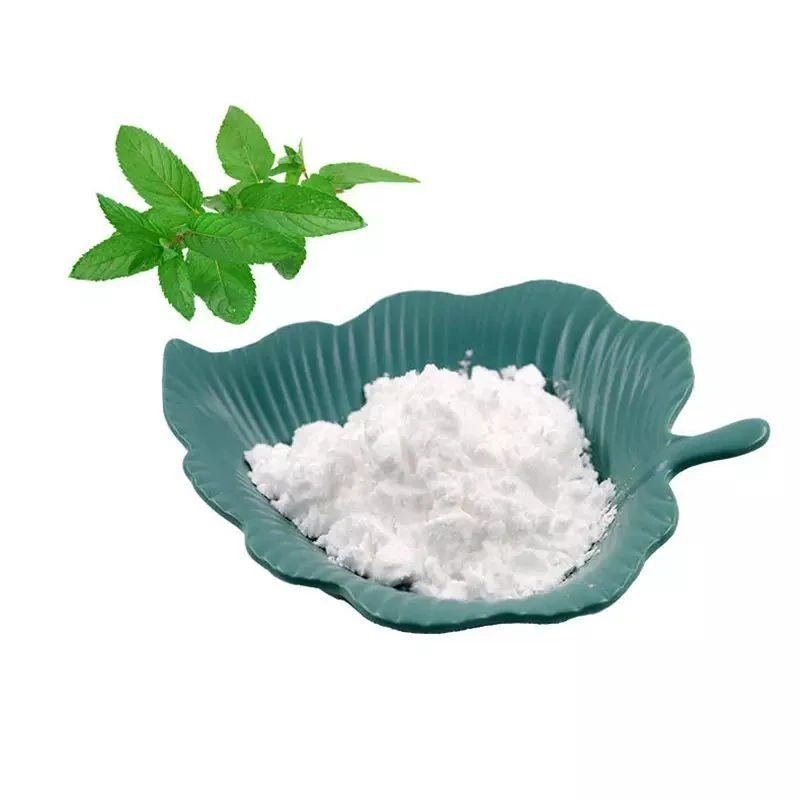

Coolant Agent Powder: A Modern Alternative
Coolant Agent Powder is a revolutionary product that offers a new approach to cooling. This powder is formulated with special chemical compounds that have excellent heat - absorbing and heat - dissipating properties.
How Coolant Agent Powder Works
When the Coolant Agent Powder comes into contact with a heat source, it undergoes a physical or chemical change that allows it to absorb a large amount of heat. This heat is then gradually released over time or can be transferred to a cooling medium. For example, in some applications, the powder can be mixed with a liquid, and the liquid can carry the heat away from the source.
Advantages of Coolant Agent Powder
- Energy Efficiency: One of the most significant advantages of Coolant Agent Powder is its energy efficiency. Unlike mechanical cooling systems, it does not require a large amount of electricity to operate. This makes it an ideal choice for applications where energy conservation is a priority. For example, in small - scale electronic devices, using Coolant Agent Powder can help reduce power consumption and extend the battery life.
- Cost - Effectiveness: In addition to energy savings, Coolant Agent Powder is also cost - effective in terms of its installation and maintenance. It does not require complex machinery or regular servicing like mechanical cooling systems. Once applied, it can provide long - term cooling effects without significant additional costs.
- Versatility: Coolant Agent Powder can be used in a wide range of applications. It can be incorporated into various materials, such as plastics, textiles, and coatings. This allows for its use in different industries, including electronics, automotive, and construction. For instance, in the automotive industry, it can be used to cool engine components, reducing the risk of overheating and improving the overall performance of the vehicle.
- Environmental Friendliness: The Coolant Agent Powder is generally made from environmentally friendly materials. It does not contain harmful refrigerants or other pollutants that can damage the ozone layer or contribute to global warming. This makes it a sustainable choice for cooling applications.
Limitations of Coolant Agent Powder
Despite its many advantages, Coolant Agent Powder also has some limitations. Its cooling capacity may be limited compared to large - scale mechanical cooling systems. In extremely high - heat applications, such as industrial furnaces, it may not be able to provide sufficient cooling on its own. Additionally, the effectiveness of the powder can be affected by factors such as humidity and temperature. In very humid conditions, the powder may absorb moisture, which can reduce its heat - absorbing capacity.
Comparison in Specific Applications
Electronics
In the electronics industry, heat management is crucial for the performance and lifespan of electronic devices. Traditional cooling methods in electronics include heat sinks and fans. Heat sinks are made of materials with high thermal conductivity, such as aluminum, and are used to transfer heat away from electronic components. Fans are used to increase the airflow over the heat sinks, enhancing the cooling effect.
However, as electronic devices become smaller and more powerful, the heat generated per unit volume is increasing. This has led to challenges in using traditional cooling methods. Coolant Agent Powder offers a potential solution. It can be applied directly to the surface of electronic components or incorporated into the packaging materials. This allows for more efficient heat dissipation and can help prevent overheating, especially in small - sized devices such as smartphones and laptops.
Automotive
In the automotive industry, engine cooling is essential for the proper functioning of the vehicle. Traditional engine cooling systems use a radiator and a coolant liquid. The coolant liquid absorbs heat from the engine and transfers it to the radiator, where it is dissipated into the surrounding air.
Coolant Agent Powder can be used in conjunction with or as an alternative to traditional coolant liquids in some applications. For example, it can be added to the engine coolant to enhance its heat - absorbing capacity. In addition, it can be used in the cooling of other automotive components, such as batteries in electric vehicles. This can help improve the performance and safety of the vehicle, especially in high - temperature environments.
Construction
In the construction industry, traditional cooling methods such as air conditioning and natural ventilation are commonly used. Coolant Agent Powder can be used in building materials to provide passive cooling. For example, it can be added to wall paints or insulation materials. When the building is exposed to sunlight, the powder can absorb the heat and prevent it from entering the interior of the building. This can reduce the reliance on mechanical cooling systems and lower energy consumption.
Conclusion
In conclusion, both traditional cooling methods and Coolant Agent Powder have their own advantages and limitations. Traditional cooling methods, especially mechanical cooling systems, are well - established and have high cooling capacities, making them suitable for large - scale and high - heat applications. However, they are energy - intensive and have significant environmental impacts.
On the other hand, Coolant Agent Powder offers a more energy - efficient, cost - effective, and environmentally friendly alternative. It has a wide range of applications and can be used in conjunction with or as a replacement for traditional cooling methods in many cases.
If you are interested in exploring the potential of Coolant Agent Powder for your specific cooling needs, I encourage you to reach out for a detailed discussion. We can provide you with samples and technical support to help you make an informed decision.
References
- ASHRAE Handbook of Fundamentals. American Society of Heating, Refrigerating and Air - Conditioning Engineers.
- "Thermal Management in Electronic Systems" by Avram Bar - Cohen and Jeffrey D. Weiss.
- "Automotive Engine Cooling Systems" by Peter J. Hoevenaars.