

Hey there! As a supplier of Soy Lecithin for Cooking, I often get asked if soy lecithin can be used in making desserts. Well, the short answer is a resounding yes! In this blog post, I'll dive deep into the world of soy lecithin and explore its uses in dessert making, sharing some tips and insights along the way.
What is Soy Lecithin?
First things first, let's talk about what soy lecithin actually is. Soy lecithin is a natural emulsifier derived from soybeans. It's a mixture of phospholipids, which are fatty substances that have both hydrophilic (water-loving) and lipophilic (fat-loving) properties. This unique combination makes soy lecithin an excellent ingredient for bringing together ingredients that would otherwise separate, like oil and water.
Why Use Soy Lecithin in Desserts?
Now, you might be wondering why you'd want to use soy lecithin in your desserts. There are several reasons:
- Emulsification: As mentioned earlier, soy lecithin acts as an emulsifier, helping to blend ingredients that don't normally mix well. In desserts, this can be particularly useful when working with ingredients like chocolate and cream, which tend to separate. By adding a small amount of soy lecithin, you can create a smooth, homogeneous mixture that won't break or curdle.
- Texture Improvement: Soy lecithin can also improve the texture of your desserts. It helps to create a smoother, creamier consistency, making your desserts more enjoyable to eat. For example, in ice cream, soy lecithin can prevent the formation of ice crystals, resulting in a smoother, creamier texture.
- Shelf Life Extension: Another benefit of using soy lecithin in desserts is that it can extend their shelf life. By preventing ingredients from separating and spoiling, soy lecithin helps to keep your desserts fresh for longer. This is especially important for commercial bakeries and dessert shops, where products need to have a longer shelf life to remain profitable.
- Reduced Fat Absorption: Soy lecithin can also help to reduce the amount of fat absorbed by your body when you eat desserts. By emulsifying the fat in your desserts, soy lecithin makes it easier for your body to digest and absorb, reducing the amount of fat that is stored in your body.
How to Use Soy Lecithin in Desserts
Using soy lecithin in desserts is relatively easy. Here are some tips to help you get started:
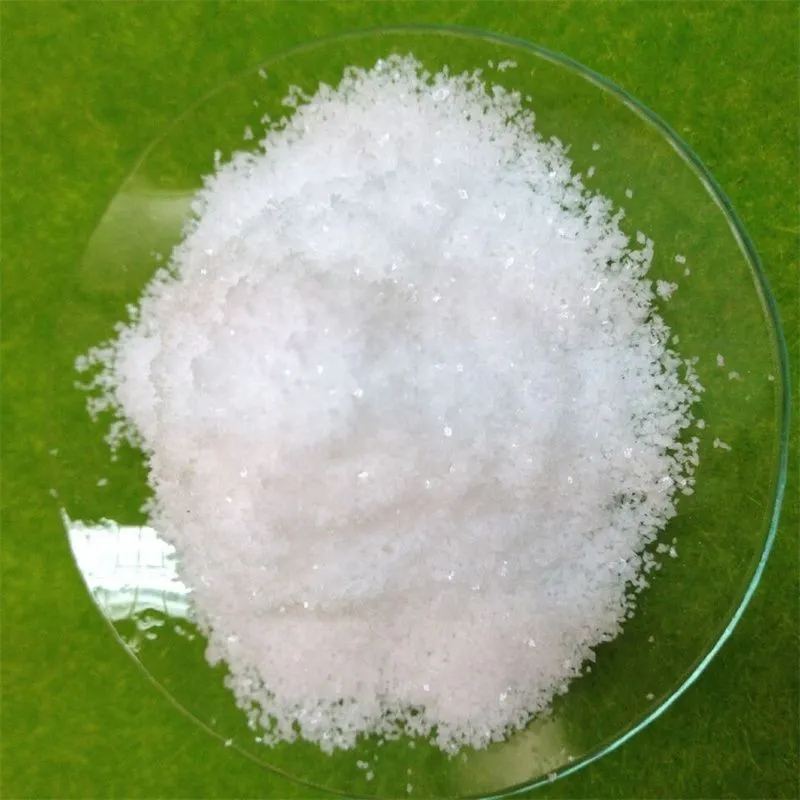
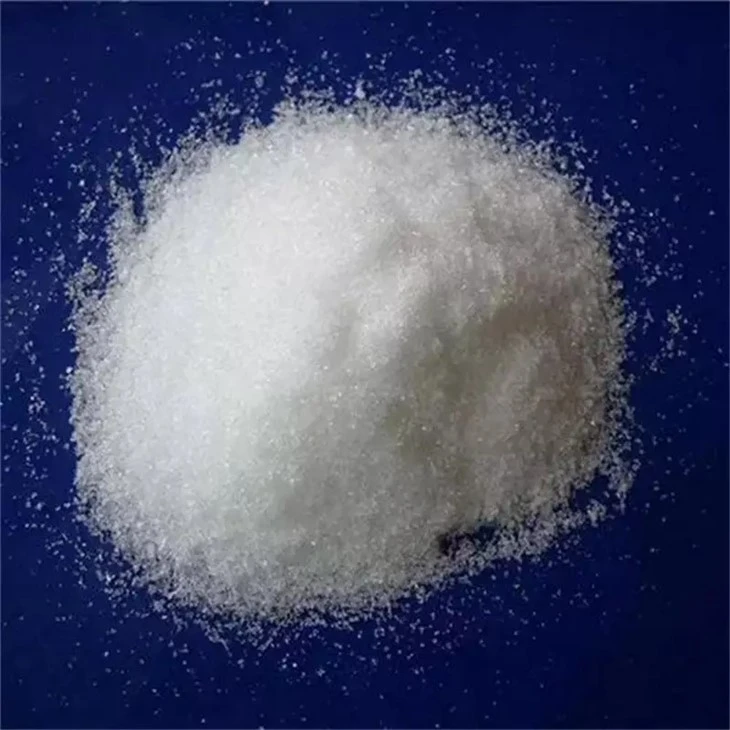
- Choose the Right Type of Soy Lecithin: There are several types of soy lecithin available, including liquid, granular, and powdered forms. The type you choose will depend on the specific recipe you're using and your personal preference. Liquid soy lecithin is the most common type and is easy to mix into your desserts. Granular and powdered forms are more concentrated and may require a little more effort to dissolve.
- Use the Right Amount: The amount of soy lecithin you use will depend on the specific recipe you're using and the desired effect. As a general rule, you should use about 1% to 2% of the total weight of your ingredients. For example, if you're making a chocolate ganache that weighs 500 grams, you should use about 5 to 10 grams of soy lecithin.
- Mix Thoroughly: Once you've added the soy lecithin to your ingredients, it's important to mix them thoroughly to ensure that the soy lecithin is evenly distributed. You can use a whisk, blender, or food processor to mix the ingredients together.
- Follow the Recipe: When using soy lecithin in desserts, it's important to follow the recipe carefully. Some recipes may require you to add the soy lecithin at a specific stage of the cooking process, so make sure you read the recipe carefully before you start.
Examples of Desserts That Can Use Soy Lecithin
Now that you know how to use soy lecithin in desserts, here are some examples of desserts that can benefit from its use:
- Chocolate Ganache: Chocolate ganache is a popular dessert topping and filling that is made by combining chocolate and cream. By adding a small amount of soy lecithin to your chocolate ganache, you can create a smooth, creamy texture that won't separate or curdle.
- Ice Cream: As mentioned earlier, soy lecithin can help to prevent the formation of ice crystals in ice cream, resulting in a smoother, creamier texture. You can add a small amount of soy lecithin to your ice cream base before churning to achieve this effect.
- Custards and Puddings: Custards and puddings are often made with eggs and milk, which can sometimes curdle or separate. By adding a small amount of soy lecithin to your custard or pudding mixture, you can prevent this from happening and create a smooth, creamy texture.
- Cakes and Cupcakes: Soy lecithin can also be used in cakes and cupcakes to improve their texture and moisture content. You can add a small amount of soy lecithin to your cake batter before baking to achieve this effect.
Other Uses of Soy Lecithin in Cooking
In addition to its use in desserts, soy lecithin can also be used in a variety of other cooking applications. Here are some examples:
- Salad Dressings: Soy lecithin can be used to emulsify oil and vinegar in salad dressings, creating a smooth, creamy texture that won't separate.
- Mayonnaise: Mayonnaise is a popular condiment that is made by emulsifying oil and egg yolks. By adding a small amount of soy lecithin to your mayonnaise recipe, you can create a smoother, creamier texture that won't separate or curdle.
- Baked Goods: Soy lecithin can also be used in baked goods to improve their texture and moisture content. You can add a small amount of soy lecithin to your bread dough, muffin batter, or cookie dough before baking to achieve this effect.
- Sauces and Gravies: Soy lecithin can be used to emulsify oil and water in sauces and gravies, creating a smooth, homogeneous mixture that won't separate.
Safety and Precautions
While soy lecithin is generally considered safe for consumption, there are some precautions you should take when using it. Here are some tips to help you use soy lecithin safely:
- Allergies: If you have a soy allergy, you should avoid using soy lecithin. While soy lecithin is derived from soybeans, it contains very little soy protein, which is the allergenic component of soybeans. However, some people with soy allergies may still be sensitive to soy lecithin, so it's important to check with your doctor before using it.
- Dosage: As with any food additive, it's important to use soy lecithin in moderation. While soy lecithin is generally considered safe, consuming large amounts of it may have some negative health effects. It's important to follow the recommended dosage guidelines and not exceed the maximum daily intake.
- Quality: When purchasing soy lecithin, it's important to choose a high-quality product from a reputable supplier. Look for soy lecithin that is organic, non-GMO, and free from additives and preservatives.
Conclusion
In conclusion, soy lecithin is a versatile and useful ingredient that can be used in a variety of dessert and cooking applications. By acting as an emulsifier, improving texture, extending shelf life, and reducing fat absorption, soy lecithin can help you create delicious, high-quality desserts that are both healthy and enjoyable to eat. If you're a dessert maker or chef, I highly recommend giving soy lecithin a try.
If you're interested in purchasing soy lecithin for your cooking needs, please don't hesitate to contact me. I'm a supplier of high-quality soy lecithin for cooking and would be happy to discuss your requirements and provide you with a quote. You can also check out some of our other food additives, such as Anhydrous Aluminum Potassium Sulfate, Surfactant Sodium Lauryl Sulfate, and Sodium Hexametaphosphate in Drinks.
References
- "Soy Lecithin: What It Is and How It's Used in Food." Healthline, Healthline Media, 2021, https://www.healthline.com/nutrition/soy-lecithin.
- "The Science of Emulsifiers: How They Work and Why They're Important." Serious Eats, Serious Eats, 2021, https://www.seriouseats.com/what-are-emulsifiers-and-how-do-they-work.
- "How to Use Soy Lecithin in Baking." The Spruce Eats, Dotdash Meredith, 2021, https://www.thespruceeats.com/how-to-use-soy-lecithin-in-baking-4174777.