

Liquid glucose, a versatile and widely used sweetener and thickening agent in the food industry, has long been a staple in various food products. As a leading supplier of liquid glucose for food, I often receive inquiries about its potential use in beverage production. In this blog post, I will explore the feasibility and benefits of using liquid glucose in making beverages, drawing on scientific knowledge and industry experience.
Understanding Liquid Glucose
Liquid glucose, also known as corn syrup, is a viscous liquid sweetener derived from the hydrolysis of starch. It is primarily composed of glucose, maltose, and higher oligosaccharides, which give it a unique sweetness profile and functional properties. Liquid glucose is available in different grades and dextrose equivalents (DE), which determine its sweetness, viscosity, and other characteristics.
One of the key advantages of liquid glucose is its solubility in water, making it easy to incorporate into beverages. It also has a lower freezing point than sucrose, which can help prevent freezing and crystallization in cold beverages. Additionally, liquid glucose can act as a humectant, helping to retain moisture and extend the shelf life of beverages.
Applications in Beverage Production
Liquid glucose can be used in a wide range of beverages, including soft drinks, fruit juices, energy drinks, sports drinks, and alcoholic beverages. Here are some of the common applications:
Sweetening
Liquid glucose is a popular sweetener in beverages due to its mild sweetness and ability to enhance the flavor of other ingredients. It can be used alone or in combination with other sweeteners, such as sucrose, high-fructose corn syrup, or artificial sweeteners, to achieve the desired level of sweetness. Liquid glucose also has a lower glycemic index than sucrose, which means it causes a slower and more gradual rise in blood sugar levels, making it a suitable option for consumers looking for a more balanced sweetener.
Thickening and Stabilizing
In addition to its sweetening properties, liquid glucose can also act as a thickening and stabilizing agent in beverages. It can help improve the texture and mouthfeel of drinks, giving them a smoother and more consistent appearance. Liquid glucose can also prevent the separation of ingredients and the formation of sediment, ensuring that the beverage remains homogeneous and visually appealing throughout its shelf life.
Fermentation
Liquid glucose is a common ingredient in the fermentation process of alcoholic beverages, such as beer and wine. It provides a source of fermentable sugars for the yeast, which converts them into alcohol and carbon dioxide. Liquid glucose can also help control the fermentation rate and the final alcohol content of the beverage.
Flavor Enhancement
Liquid glucose can enhance the flavor of beverages by providing a subtle sweetness and a smooth, rounded mouthfeel. It can also help mask any bitter or off-flavors that may be present in the drink, improving its overall taste and acceptability.

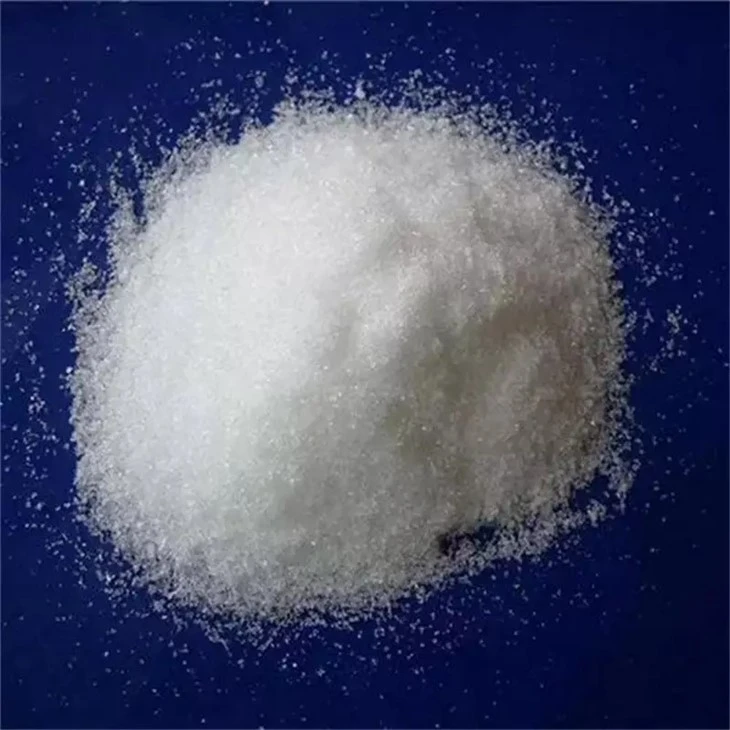
Advantages of Using Liquid Glucose in Beverages
There are several advantages to using liquid glucose in beverage production:
Cost-Effective
Liquid glucose is generally less expensive than other sweeteners, such as sucrose, making it a cost-effective option for beverage manufacturers. It can also help reduce the overall production cost by improving the efficiency of the manufacturing process and reducing the need for other additives.
Versatility
Liquid glucose is a versatile ingredient that can be used in a wide range of beverages, from soft drinks to alcoholic beverages. It can be easily customized to meet the specific requirements of different products, such as sweetness level, viscosity, and flavor profile.
Shelf Life Extension
As mentioned earlier, liquid glucose can act as a humectant, helping to retain moisture and extend the shelf life of beverages. It can also prevent the growth of microorganisms and the development of off-flavors, ensuring that the beverage remains fresh and flavorful for a longer period of time.
Health Benefits
Compared to other sweeteners, liquid glucose has a lower glycemic index, which means it causes a slower and more gradual rise in blood sugar levels. This can be beneficial for consumers with diabetes or those looking for a more balanced sweetener. Liquid glucose also contains small amounts of vitamins and minerals, such as calcium, iron, and potassium, which can provide some nutritional value.
Considerations and Precautions
While liquid glucose is generally considered safe for consumption, there are some considerations and precautions that beverage manufacturers should keep in mind:
Quality and Purity
It is important to use high-quality liquid glucose that is free from contaminants and impurities. The liquid glucose should be sourced from a reputable supplier and comply with all relevant food safety standards and regulations.
Allergies and Sensitivities
Some individuals may be allergic or sensitive to liquid glucose or other ingredients in the beverage. It is important to label the product clearly and provide information about the ingredients to ensure that consumers can make informed choices.
Regulatory Compliance
Beverage manufacturers must comply with all relevant regulations and guidelines regarding the use of liquid glucose and other food additives in their products. This includes ensuring that the product is labeled correctly and that the levels of additives used are within the permitted limits.
Conclusion
In conclusion, liquid glucose is a versatile and cost-effective ingredient that can be used in a wide range of beverages. It offers several advantages, including sweetening, thickening, stabilizing, fermentation, and flavor enhancement. Liquid glucose can also help extend the shelf life of beverages and provide some health benefits. However, it is important to use high-quality liquid glucose and comply with all relevant regulations and guidelines to ensure the safety and quality of the final product.
As a supplier of liquid glucose for food, I am committed to providing high-quality products and excellent customer service. If you are interested in using liquid glucose in your beverage production, I would be happy to discuss your specific requirements and provide you with more information. Please feel free to contact me to start a conversation about how we can work together to meet your needs.